
Astrolepis
Astrolepis
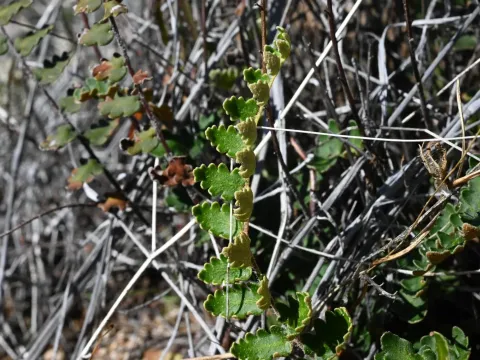
Astrolepis is a genus of ferns belonging to the Pteridaceae family. These plants are known for their remarkable ability to thrive in xeric (dry) environments, distinguishing them from most other ferns that typically inhabit moist, shaded forests.
What the section contains

Astrolepis
The native range of Astrolepis spans across the arid regions of North and Central America. They are commonly found clinging to rocky outcrops, limestone crevices, and steep slopes where they have adapted to limited water availability and high solar exposure.
Cultivation of Astrolepis requires a very specific substrate profile. It is essential to use a highly permeable, gritty, and mineral-based soil mix. Poor drainage is the most significant constraint and can lead to immediate root health decline.
The climatic preferences for these ferns include cycles of drought and heat. They possess specialized hairs on their fronds that reflect intense sunlight and reduce moisture loss, an essential adaptation for surviving in open, high-temperature habitats.
In terms of human use, Astrolepis is primarily utilized in ornamental horticulture. Its silvery, scaly appearance makes it a prized specimen for rock gardens, crevice plantings, and specialized succulent-style fern collections that mimic its natural habitat.
The primary threat to Astrolepis in cultivation is improper moisture management, specifically waterlogging. An environment that remains consistently damp for the roots will inevitably trigger fungal rot and death of the plant.
Pests such as mealybugs and scale insects represent a persistent challenge. These insects are particularly attracted to the hidden areas at the base of the fronds and can be difficult to manage due to the plant's delicate, often hairy foliage.
Fungal leaf spots are another concern when environmental conditions include stagnant air and high humidity. While these plants are adapted to harsh conditions, they lack resistance to stagnant, humid air which compromises their physiological integrity.
Substrate contamination with rich organic matter can introduce harmful pathogens. It is critical to ensure that all potting components are sterile to prevent the onset of soil-borne diseases that can rapidly destroy the root system.
Maintaining the health of Astrolepis requires regular monitoring for pests and precise control of watering schedules. Ensuring good air circulation and adequate light levels helps keep the plant robust and resistant to most common cultivation-related threats.