
Coniogramme emeiensis
Coniogramme emeiensis
Description
Growing requirements
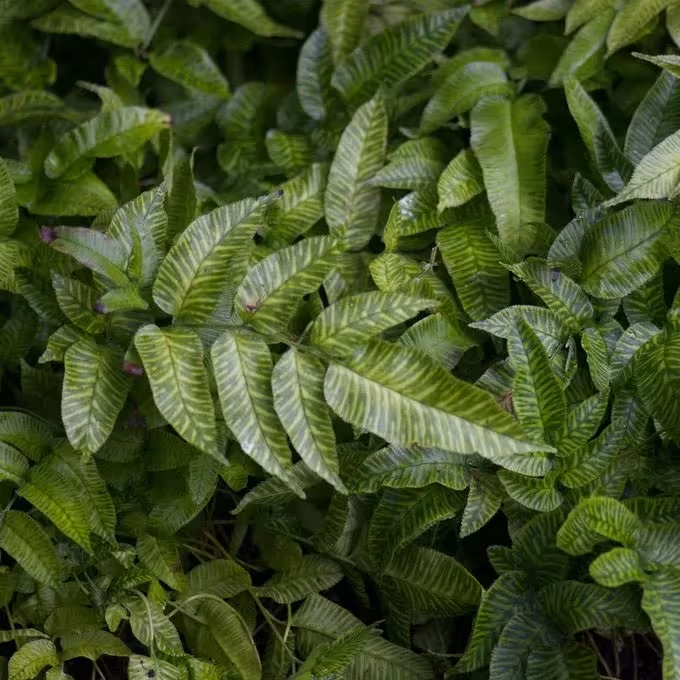
Coniogramme emeiensis is a distinctive perennial fern belonging to the Pteridaceae family. Native to the damp, mountainous forests of Mount Emei in China, this species is highly valued for its striking variegated foliage featuring pale stripes along the veins.
Botanically, it forms spreading clumps that provide a lush, tropical aesthetic. It is primarily utilized in horticulture as an ornamental specimen for shaded gardens or as an interesting subject for indoor collections in cooler climates.
The plant requires a high level of ambient humidity and consistent soil moisture to thrive. It should be positioned in partial to full shade, avoiding harsh direct sunlight that can scorch the delicate fronds and cause them to lose their color intensity.
A well-draining, humus-rich soil substrate is essential for healthy root development. It performs best in organic-heavy media that mimics the forest floor, ensuring that the roots are kept moist but never waterlogged, which could lead to decay.
Regarding climate, it is sensitive to extreme frost and drought. In regions with harsh winters, it is recommended to keep the plants in pots that can be moved to frost-free indoor locations during the winter months to protect the rhizomes.
Main diseases and pests
The most significant threat to Coniogramme emeiensis is root rot, typically caused by overwatering or poor drainage systems. Maintaining appropriate aeration in the soil is crucial to prevent the proliferation of pathogenic fungi.
Fungal leaf spots can occur when air circulation is inadequate, especially in humid and stagnant environments like greenhouse conditions or densely packed plant displays.
Slugs and snails are the primary pests of concern in outdoor garden settings. They are particularly attracted to the tender, emerging fronds of the fern and can cause significant aesthetic damage in a short period.
Spider mites represent a common pest challenge when the plant is grown in low-humidity environments. Regularly misting the foliage or using trays with pebbles and water can help mitigate this issue.
Integrated pest management, including regular visual inspections and the use of physical barriers for snails, is the most effective approach for maintaining plant health.