
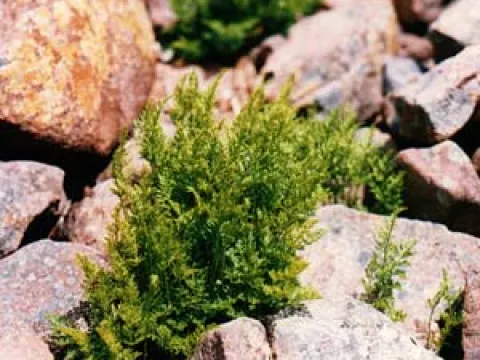
Cryptogramma
Cryptogramma
Cryptogramma, commonly known as the rock brake, is a genus of ferns belonging to the family Pteridaceae. These plants are native to temperate and arctic regions of the Northern Hemisphere, often found thriving in rocky screes, crevices, and mountainous terrain.
What the section contains


Cryptogramma
Botanically, Cryptogramma is distinct for its dimorphic fronds, meaning the sterile and fertile leaves look quite different. The fertile fronds are typically taller and have narrower segments, which is a structural adaptation for efficient spore dispersal.
Cultivating this fern requires cool, humid conditions and partial shade. It is not suitable for hot, dry environments, as the foliage is prone to dehydration. It performs best when sheltered from the intense midday sun in a rock garden setting.
The soil must be well-draining, slightly acidic, and rich in organic matter. A mixture of leaf mold, grit, and sand is recommended to mimic the stony, nutrient-rich environment of its natural habitat and to prevent root rot.
Maintenance should focus on moisture management. The soil should be kept consistently moist but never waterlogged. During winter, a light mulch of peat or pine needles can protect the roots, especially in regions with fluctuating temperatures and low snow cover.
Cryptogramma is relatively pest-resistant due to its tough, leathery texture, but it can struggle if environmental conditions are not met. The primary threat is fungal infection, usually triggered by stagnant, overly wet conditions.
Root rot is the most common issue. If the plant shows yellowing fronds or signs of collapse, inspect the root zone immediately. Improving drainage or relocating the plant to a drier, well-ventilated spot is essential for its recovery.
Slugs and snails may occasionally feed on the tender young growth during spring. Protecting the plant with grit around the crown or using organic deterrents can prevent significant aesthetic damage to the fronds.
Leaf spot diseases can occur if the foliage remains wet for extended periods in humid, still air. Pruning surrounding vegetation to improve airflow is a proactive measure that keeps the fern healthy and minimizes humidity-related risks.
Pests such as aphids are rare but can appear during periods of heat stress. If an infestation occurs, a gentle wash with a mild soap solution is usually sufficient to resolve the issue without resorting to harsh systemic insecticides.