
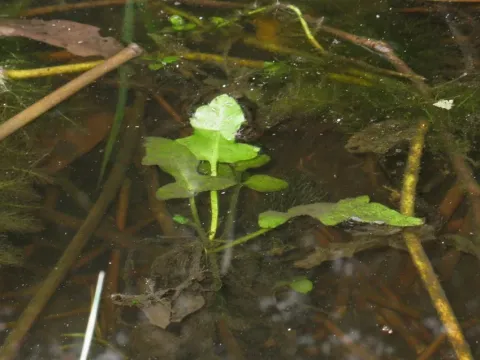
Ceratopteris
Ceratopteris
Ceratopteris, commonly known as the water sprite or oriental water fern, is typically propagated through vegetative means rather than traditional sowing.
What the section contains


Ceratopteris
The plant produces adventitious buds along the margins of its fronds, which develop into daughter plants that can be separated and replanted.
In tropical climates, this growth process is continuous, allowing for year-round propagation without the need for strict seasonal timing.
Sexual reproduction via spores is possible but rarely used in commercial farming due to the complexity and length of the maturation cycle.
Efficient management of vegetative propagation ensures a steady supply of planting material for hydroponic or aquaponic systems.
As a member of the Pteridaceae family, Ceratopteris requires a humid environment and thrives in shallow water or waterlogged soils.
Optimal growth temperatures range from 20 to 28 degrees Celsius, which is consistent with tropical and subtropical habitat conditions.
Lighting requirements are high; the plant needs sufficient intensity to maintain healthy growth, but direct, harsh sunlight can scorch its delicate foliage.
The substrate or water must be nutrient-rich, with a neutral to slightly acidic pH, to support the rapid development of its vascular system.
Regular monitoring of water circulation and aeration is necessary to prevent stagnant conditions that can hinder root health.
The yield of Ceratopteris is primarily measured by the biomass of fresh, tender fronds harvested for consumption or sale as an aquatic ornamental.
In many Southeast Asian cultures, the young leaves are harvested as a popular green vegetable, known for their unique flavor and texture.
Frequent, selective harvesting of outer fronds encourages the plant to produce new shoots, significantly increasing total seasonal output.
Yield efficiency is significantly improved in controlled greenhouse environments where nutrients, light, and temperature are precisely regulated.
With proper care and harvest management, Ceratopteris can produce multiple harvests within a single month, ensuring high agricultural productivity.
Fungal diseases, including root rot, are the most significant threats to Ceratopteris when water quality deteriorates or drainage is poor.
Pests such as aphids and spider mites can infest the foliage, particularly if the plant is grown in low-humidity greenhouse environments.
Mechanical damage during the harvest process can facilitate bacterial infections, leading to rapid tissue decay and loss of crop quality.
Aquatic snails are known to consume the tender new leaves, which can lead to significant biomass loss if the population is not controlled.
Integrated pest management, focusing on biological controls, is essential because the plant is sensitive to many common chemical pesticides.
Harvesting involves the careful manual clipping of mature but still tender fronds, ensuring the central growth point remains undisturbed.
It is vital to time the harvest correctly; older fronds become tough and fibrous, reducing their commercial and culinary value.
Immediate post-harvest cooling is required to maintain the crispness of the leaves and prevent the physiological wilting common in ferns.
Grading the product by size and freshness is a critical step in preparing the crop for market, ensuring consumer satisfaction and quality.
Logistical planning for transport must emphasize high-humidity packaging to preserve the integrity of the delicate plant tissues during distribution.