
Japanese bamboo fern
Coniogramme japonica
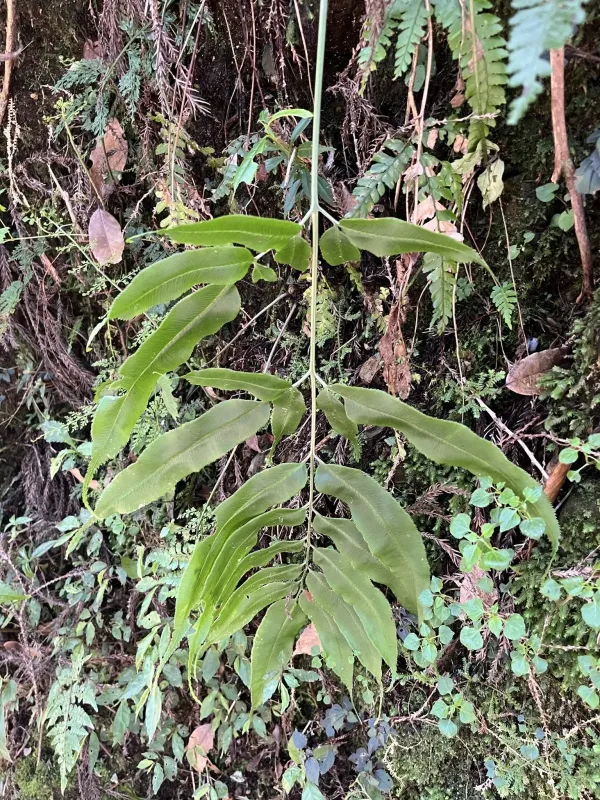
Description
Growing requirements
The Japanese bamboo fern (Coniogramme japonica) is a perennial fern species belonging to the Pteridaceae family. Native to East Asia, including Japan, China, and Taiwan, it thrives in cool, humid woodland habitats.
This fern requires a shady or semi-shaded location to flourish. It should be protected from harsh afternoon sun, which can scorch its delicate fronds. Consistent moisture and high humidity are critical for its healthy development.
The ideal soil for Coniogramme japonica is organic-rich, well-draining, and slightly acidic. It performs best in areas where the soil remains moist but not waterlogged, as poor drainage is the primary cause of root failure in this species.
Botanically, it is known for its distinct foliage with marked veins, giving it a bamboo-like appearance. In terms of growth, it spreads via rhizomes, making it a reliable groundcover in sheltered, cool garden environments.
In landscape design, this fern is highly valued for its aesthetic appeal in woodland gardens, fern borders, and Japanese-style landscaping. It can also be kept as a container plant in temperate conservatories or shaded patios.
Main diseases and pests
The primary cultural threats include drought stress and root rot. Because this fern is adapted to moist forest floors, drying out the soil will lead to leaf browning, while waterlogged conditions will quickly kill the rhizomes.
Pests are generally minimal if the plant is kept in optimal conditions. However, in indoor or dry settings, spider mites and scale insects can be problematic. Regular misting and adequate air circulation are recommended preventative measures.