
Coniogramme intermedia
Coniogramme intermedia
Description
Growing requirements
Coniogramme intermedia is a perennial fern belonging to the Pteridaceae family. Native to the forests of East Asia, including Japan and China, this plant is well-adapted to shaded environments with high humidity levels and rich, woodland-like soil structures.
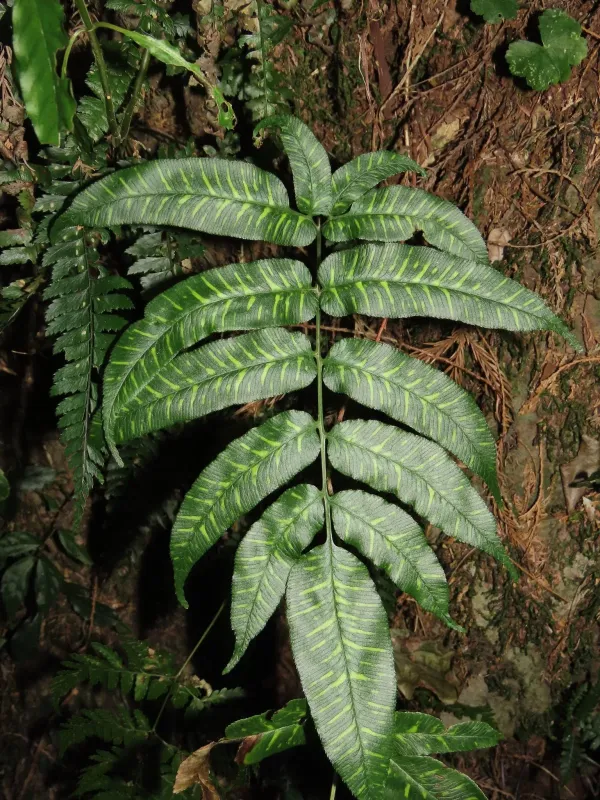
The plant is characterized by its elegant, pinnate fronds which often feature distinctive variegated patterns along the veins. It grows from a creeping rhizome, allowing it to form lush, spreading colonies that are highly prized in ornamental horticulture and landscape design.
To succeed in cultivation, this fern requires a substrate that is consistently moist, loose, and rich in organic matter, such as leaf mold or compost. It is crucial to maintain an acidic to neutral soil pH, which mimics the natural forest floor conditions where the plant originates.
Climate requirements for this species include avoiding harsh, direct sunlight and strong winds. It thrives in temperate conditions, requiring a location with dappled shade or full shade. During the growing season, it is essential to ensure consistent moisture, avoiding both waterlogging and drought.
Agrotechnical maintenance focuses on providing organic fertilization in the spring and ensuring proper drainage to prevent root rot. Mulching the base of the plant with organic material helps to conserve soil moisture and protect the rhizomes from temperature fluctuations during the colder months.
Main diseases and pests
Common plant diseases affecting Coniogramme intermedia often relate to fungal infections triggered by poor ventilation and excessive moisture. Gray mold is the most frequent issue, requiring the removal of infected fronds and improved air circulation to resolve.
Pests such as spider mites and thrips represent the primary threat, especially in indoor environments or during dry summers. These pests are drawn to low-humidity areas, making regular misting and leaf hygiene essential components of the plant's care routine.
Management of pest infestations should prioritize biological controls or soaps before resorting to synthetic pesticides. If chemical intervention is necessary, gardeners must choose products that are safe for use on delicate ferns to avoid burning the fronds.
Snails and slugs can damage the tender, emerging fiddleheads in outdoor settings. Implementing physical barriers such as crushed eggshells or specialized traps can help preserve the integrity of the foliage during the spring growing season.
Overall, maintaining optimal light and moisture balance serves as the most effective defense mechanism for the plant. Healthy specimens show strong resistance, whereas those stressed by poor environmental conditions are significantly more susceptible to pest and disease pressure.