
Coniogramme fauriei
Coniogramme fauriei
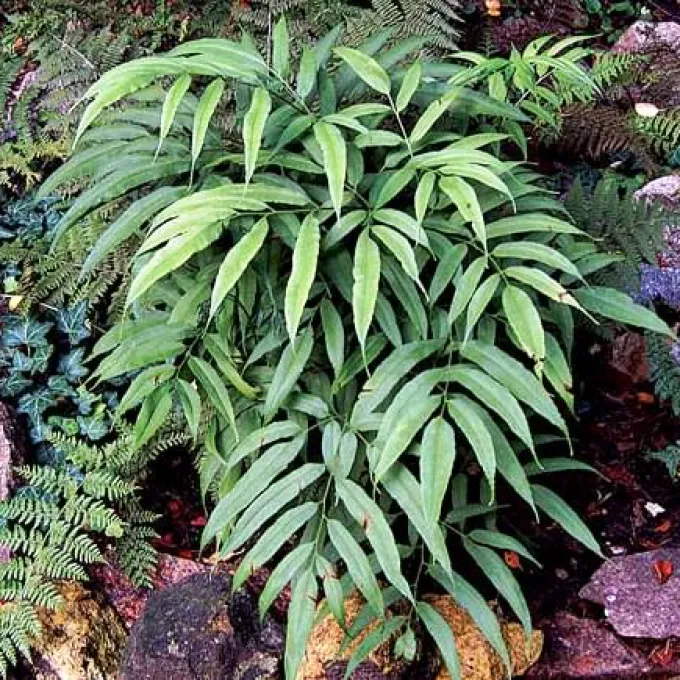
Description
Growing requirements
Coniogramme fauriei is a perennial fern species belonging to the Pteridaceae family. Native to the subtropical forests of East Asia, this plant has gained popularity as an ornamental crop due to its unique and elegant foliage structure.
The plant thrives in shaded or semi-shaded environments, mimicking its natural forest floor habitat. It requires a humid climate where temperatures remain stable, avoiding extremes of heat or cold which can damage its delicate fronds.
A loose, well-draining soil rich in organic matter is essential for optimal growth. Gardeners typically use a mix of leaf mold, peat, and coarse sand to ensure the roots have access to both nutrients and oxygen without becoming waterlogged.
Maintenance involves frequent, light watering to keep the substrate consistently moist but not saturated. Because this species is highly sensitive to dry air, supplemental misting is often required if grown in indoor or arid outdoor conditions.
Propagation is primarily achieved through the division of rhizomes during the early spring growing season. Proper spacing is necessary to allow for air circulation, which prevents the development of fungal pathogens within the dense clusters of fronds.
Main diseases and pests
The primary threats to Coniogramme fauriei are fungal diseases such as root rot, which are triggered by poor drainage or overwatering. Maintaining a balanced hydration schedule is critical to ensuring the longevity of the plant in any agricultural or horticultural setting.
Pests like spider mites and scale insects can become problematic in dry conditions. Regular inspections and the maintenance of high humidity levels serve as the most effective preventative measures against these common plant infestations.