
Oleandra musifolia
Oleandra musifolia
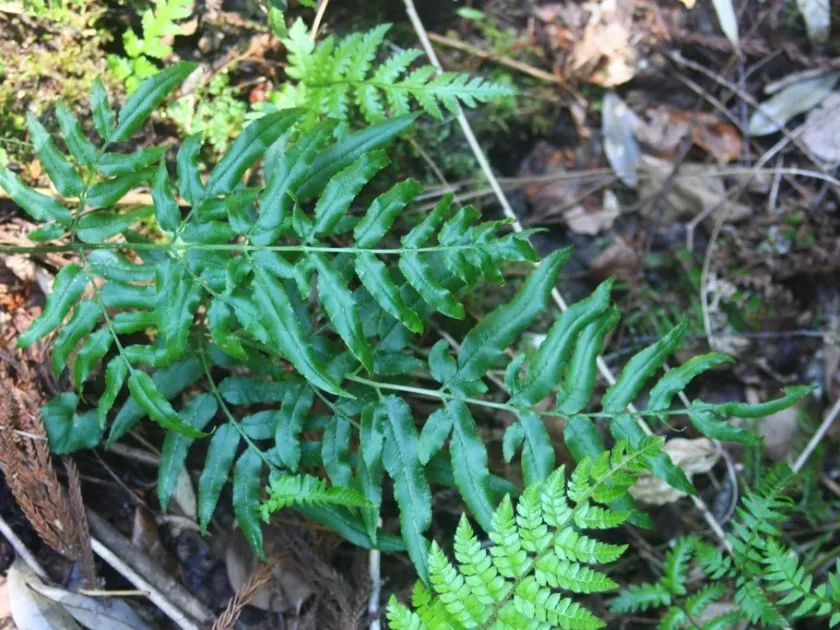
Description
Growing requirements
Oleandra musifolia is a remarkable fern species belonging to the Oleandraceae family. Native to the tropical regions of Southeast Asia and Polynesia, this plant is primarily recognized for its unique habit of growth and distinctive leaf structure.
Botanically, it functions as an epiphyte or a lithophyte, featuring a creeping, scaly rhizome that supports its upright, lance-shaped fronds. These fronds can reach significant lengths, providing a lush, green aesthetic typical of the rainforest floor.
Successful cultivation requires a high-humidity environment, ideally maintained between 70% and 85%. The temperature should be kept stable within the +22 to +26 degrees Celsius range, mimicking its natural equatorial habitat.
The substrate must be highly porous and moisture-retentive but well-draining. A mix consisting of sphagnum moss, bark, and perlite is generally considered optimal to support the epiphytic nature of the root system.
The plant is widely used in botanical gardens and specialized interior landscaping to replicate jungle microclimates, where it thrives under filtered or diffused light conditions.
Main diseases and pests
Root rot is the primary physiological threat, often induced by stagnant water in the growing medium when the drainage capacity is insufficient.
Spider mites are the most common pests, thriving in environments where air humidity drops below the recommended thresholds for this species.
Inadequate moisture regulation leads to tip burn, where the ends of the fronds turn brown and brittle due to rapid transpiration and low humidity.
To prevent infestations, gardeners should focus on consistent misting and ensuring adequate airflow to prevent fungal proliferation on the foliage.
When pests are detected, mild insecticidal soaps or biological controls should be implemented promptly to prevent damage to the delicate fern structure.