
Leptochilus wrightii
Leptochilus wrightii
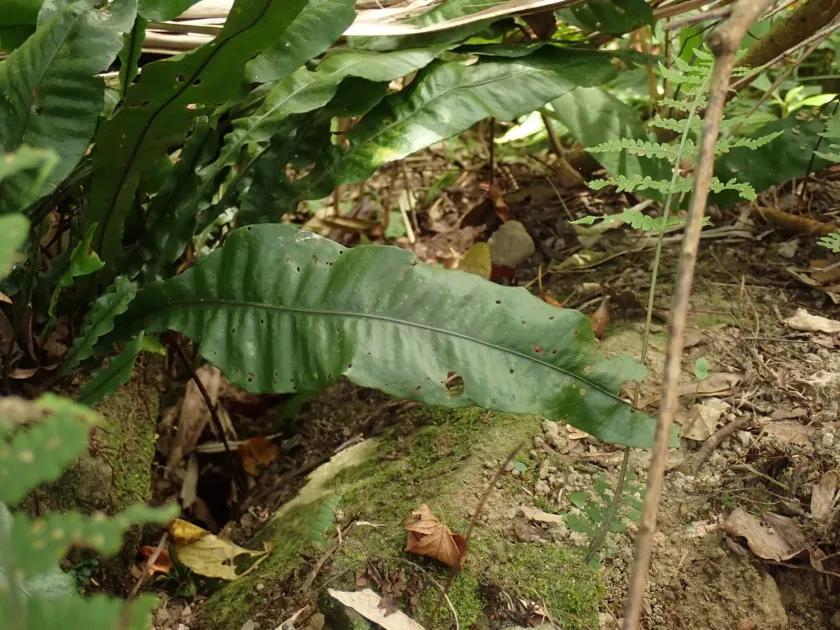
Description
Sowing dates
Leptochilus wrightii belongs to the Polypodiaceae family. It is typically propagated through rhizome division, which is the most reliable method for maintaining plant health and vigor.
Spore propagation requires highly sterile conditions and a specialized moss-based substrate to ensure successful germination and development of the prothallium.
When dividing the rhizome, ensure each section has enough roots and healthy fronds to support new growth, which usually occurs within a few weeks after potting.
The optimal planting time is during the early spring season, which allows the plant to establish itself in the substrate before the peak growth months.
Use wide containers that allow the rhizome to spread horizontally, as this is its natural habit of growth in forest environments.
Growing requirements
This fern thrives in tropical climates characterized by high humidity levels and consistent, moderate temperatures throughout the year.
Avoid direct sunlight at all costs, as it damages the delicate foliage. Bright, filtered, or indirect light is ideal for maintaining the plant's green color.
The soil should be rich in organic matter, such as peat or coco coir, mixed with perlite to maintain moisture while providing essential aeration for the roots.
Consistent watering is crucial. The substrate should be kept evenly moist at all times, but never waterlogged to prevent root system collapse.
Regular fertilization with a diluted liquid plant food during the active growth season helps maintain the lush appearance of the fronds.
Main diseases and pests
Spider mites are the most common pests, especially in environments where air humidity drops below 50 percent for extended periods.
Scale insects can be difficult to manage because they often hide in the dense rhizome network, requiring careful physical removal or systemic treatment.
Root rot is a major threat caused by overwatering or poor drainage, often leading to the browning and eventual death of the frond structure.
Fungal leaf spots can develop if the environment lacks proper air circulation, making it necessary to provide periodic ventilation in the growing area.
Monitoring for any signs of leaf discoloration is essential for early detection of potential stress, whether it is caused by pests or environmental imbalances.