
Leptochilus ellipticus
Leptochilus ellipticus
Description
Growing requirements
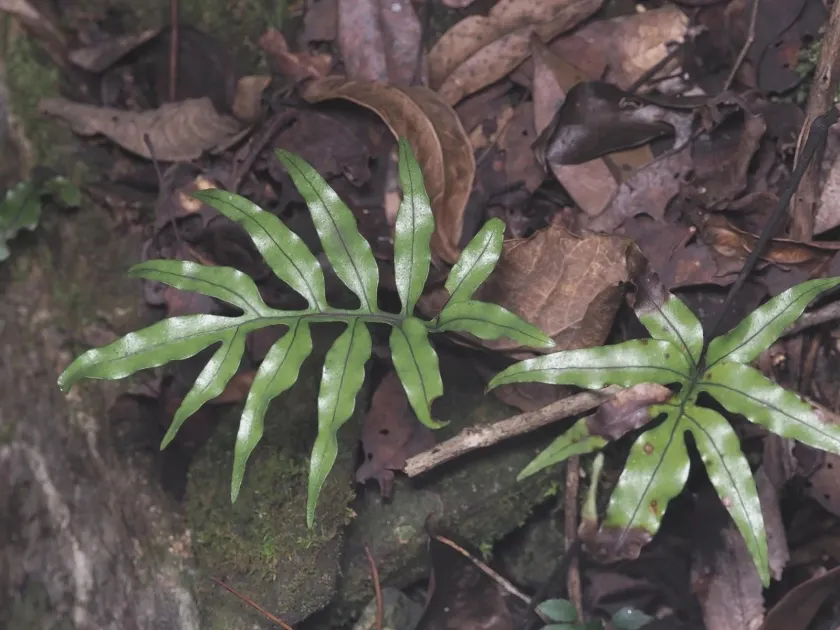
Leptochilus ellipticus belongs to the Polypodiaceae family. It is an interesting fern species recognized for its distinct leaf shape and growth habit as a tropical epiphyte.
This fern thrives in high-humidity environments, making it suitable for greenhouses or terrariums. Consistent moisture levels are essential to prevent the fronds from turning brown or brittle.
The potting medium must be well-draining yet moisture-retentive. A mix consisting of orchid bark, sphagnum moss, and perlite creates an ideal environment for the root system to breathe.
Temperature stability is key to healthy growth. The plant prefers consistent tropical temperatures between 18°C and 24°C and will suffer if exposed to rapid thermal fluctuations.
Avoid direct sun exposure, which is detrimental to the delicate fronds. A location with bright, indirect light provides enough energy for photosynthesis without scorching the foliage.
Main diseases and pests
Root rot is the most frequent ailment caused by overwatering. It is vital to allow the top layer of the substrate to dry slightly between waterings to ensure aeration.
Scale insects are common pests that attach themselves to the underside of leaves. They should be manually removed or treated with horticultural oils to prevent plant decline.
Spider mites are another common threat, especially in indoor settings with low humidity. They can be identified by the fine webs they weave across the leaf surfaces.
Fungal leaf spots can occur when water sits on the fronds for too long without adequate air circulation. Keeping the environment well-ventilated helps prevent these complications.
Regular monitoring of the foliage for discoloration or tiny pest colonies is the best strategy for maintaining the long-term health and vigor of this fern species.