
Java fern
Leptochilus pteropus
Description
Growing requirements
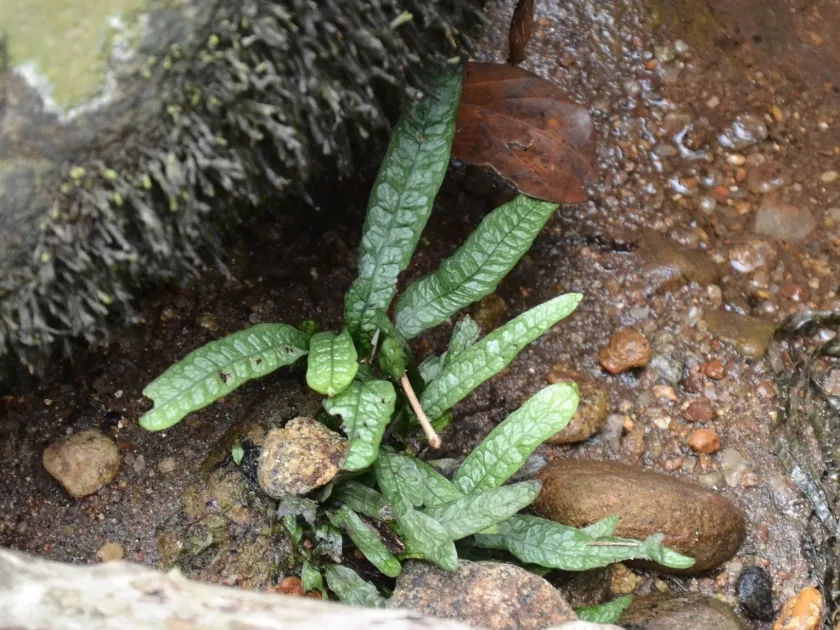
Leptochilus pteropus, commonly known as Java Fern, belongs to the Polypodiaceae family. Originating from Southeast Asia, this aquatic plant is a popular choice for aquascaping due to its robust nature and adaptability to various water conditions.
This species is a rhizomatous epiphyte, meaning it does not grow in soil but instead attaches its roots to rocks, driftwood, or other hard surfaces. In a cultivation environment, it is crucial to avoid burying the rhizome in substrate, as this will lead to decay.
The optimal water temperature ranges from 20 to 28 degrees Celsius. Java Fern thrives in moderate lighting; excessive light levels often encourage the growth of algae on the leaves, which significantly harms the plant's health.
Water chemistry requirements are flexible, with the plant tolerating a wide pH range of 5.0 to 8.0. Regular water movement helps to deliver nutrients to the leaves and prevent the accumulation of organic debris around the rhizome.
It is a slow-growing plant that demands patience from the cultivator. Consistent nitrogen and potassium levels in the water column promote healthy, deep green foliage and vigorous growth of the main rhizome.
Yield
The yield of Leptochilus pteropus is measured by the production of adventitious plantlets. These develop along the edges of the leaves and are the primary method for scaling up the population in a nursery.
A single healthy mother plant can produce multiple daughter plants in a monthly cycle. Careful management of the mother stock is required to ensure that energy is directed towards developing new plantlets rather than just leaf growth.
In commercial hydroponic setups, the use of nutrient-rich water flow maximizes the survival rate of separated plantlets. Proper spacing between mother plants is essential to allow light to penetrate and stimulate new growth.
Harvesting involves carefully trimming the fully developed daughter plants from the leaf blade. Each plantlet should have a small rhizome section to ensure successful establishment in the new environment.
The demand for this plant in the commercial aquatic industry remains high, as it is widely used in both hobbyist aquariums and large-scale public water display projects.
Main diseases and pests
The most common issue in cultivation is the invasion of algae, specifically beard algae or blue-green algae. These organisms attach to the leaves, blocking light and eventually leading to the death of the leaf tissues.
Root rot is a major threat, usually caused by poor water circulation or burying the rhizome in an anaerobic substrate. This leads to the softening of the plant's structural core and systemic decay.
Pests such as certain species of snails can graze on the delicate young foliage of the Java Fern. Implementing a quarantine process for new stock is the best preventive measure against pest outbreaks in the production area.
Nutrient deficiencies, particularly iron, will manifest as pale or yellowing leaves (chlorosis). This can be remediated by adjusting the liquid fertilizer regimen used in the holding tanks.
Environmental stress, such as sudden shifts in water parameters, can cause the plant to drop its leaves. Maintaining stability is the most effective management strategy to ensure long-term plant viability.