
Leptochilus cantoniensis
Leptochilus cantoniensis
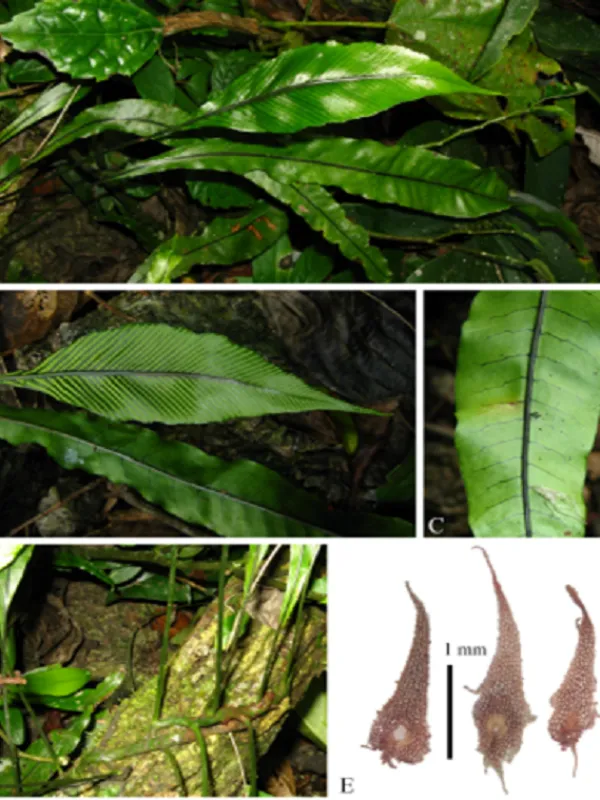
Description
Sowing dates
Leptochilus cantoniensis is a perennial fern belonging to the Polypodiaceae family. In agricultural settings, it is primarily propagated through the division of rhizomes to ensure genetic uniformity.
The best time for planting is during the spring season, as the plant initiates active growth after the winter dormant phase. Careful handling of the delicate rhizomes is essential.
Sexual reproduction via spores is highly technical and usually reserved for specialized greenhouse research rather than standard agricultural practices.
Spacing between plants should be sufficient, typically 30 to 40 centimeters, to allow the rhizomes to spread and the fronds to develop fully without overcrowding.
Clean, disease-free planting material is the foundation of a healthy crop, so all rhizomes should be inspected for signs of rot before being placed in the soil.
Growing requirements
This species thrives in partial to deep shade. Excessive light can cause severe bleaching and scorching of the delicate fronds, significantly reducing their quality.
The soil must be rich in organic matter, slightly acidic, and highly porous to provide the necessary aeration for the root system, which is prone to suffocation in heavy soils.
Moisture is a critical factor. The plant requires constant, moderate humidity, and the soil should remain moist but never waterlogged to prevent root decay.
The ideal temperature range is between 18 and 24 degrees Celsius. It does not tolerate freezing temperatures, so greenhouses are often required in temperate climates.
Air circulation must be maintained to prevent fungal growth, though the plant should be shielded from dry drafts that could trigger rapid dehydration.
Yield
Yield for this culture is measured by the biomass of fronds produced, which are used in herbal medicine or the ornamental plant industry.
Productivity increases significantly after the first year as the rhizome system expands, allowing for more robust frond production in subsequent seasons.
Optimal yields are achieved through steady, moderate fertilization using organic materials and maintaining high humidity levels throughout the growing cycle.
The plant has established economic value in both vertical gardening and the production of specific botanical compounds used in regional pharmacological traditions.
Careful maintenance of the mature specimens ensures a long-term harvest potential, with individual plants remaining productive for several years under proper conditions.
Main diseases and pests
Root rot is the most serious threat to Leptochilus cantoniensis, usually caused by overwatering or poor drainage systems in the growing container or field site.
Scale insects and spider mites are the most common pests. They thrive in dry, stagnant air conditions and can quickly compromise the health of the leaves.
Nematode infestations can occur in contaminated soil, leading to stunted growth. Using sterilized potting media is the best preventative strategy for this issue.
Fungal leaf spots can develop if water accumulates on the fronds for extended periods, necessitating careful bottom-watering techniques.
- Regular inspection of the undersides of the leaves for pests.
- Monitoring soil moisture levels daily.
- Immediate isolation of affected plants to prevent the spread of disease.
Harvesting
Harvesting involves the selective cutting of mature, healthy fronds. Younger, developing fronds should always be left to ensure the plant's continued vitality.
Timing the harvest for the early morning is recommended, as the fronds are most turgid and contain the maximum concentration of beneficial compounds at this time.
Post-harvest handling is critical. Fronds must be kept cool and slightly humid to prevent wilting, which lowers their market value for decorative or medicinal use.
Drying for herbal storage should be done in a dark, well-ventilated space at moderate temperatures to preserve the chemical integrity of the plant tissue.
Proper harvesting practices ensure that the plant retains enough energy to recover quickly, allowing for multiple harvests within a single growth cycle.