
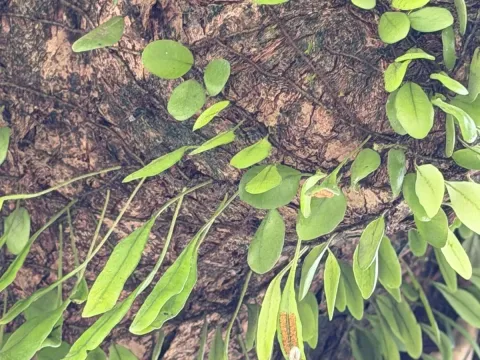
Lemmaphyllum
Lemmaphyllum
Lemmaphyllum is a genus of small epiphytic ferns belonging to the Polypodiaceae family. These plants are native to the tropical and subtropical regions of East and Southeast Asia, typically thriving on tree trunks and rocky surfaces in humid forest environments.
What the section contains

Lemmaphyllum
The genus is characterized by its distinct dimorphic fronds. The sterile fronds are generally rounded, fleshy, and thick, while the fertile fronds are narrower and more elongated, facilitating the release of spores under appropriate environmental conditions.
Cultivating Lemmaphyllum requires a high-humidity environment, ideally ranging between 60% and 80%. Because of their epiphytic nature, these plants are best suited for terrariums, vivariums, or greenhouses where moisture levels can be consistently maintained.
The potting medium must be extremely well-draining and aerated. A mixture of pine bark, sphagnum moss, and charcoal is highly recommended to mimic the natural tree-bark substrate on which these ferns grow in the wild, preventing root suffocation.
Light requirements for Lemmaphyllum involve bright, indirect sunlight. Direct sun exposure should be strictly avoided as it can cause desiccation and leaf burn. A shaded position or filtered light under canopy-like conditions in a terrarium is perfect for their growth.
Overwatering is the primary threat to the health of Lemmaphyllum. As epiphytes, their roots require oxygen, and waterlogged substrate can lead to rapid fungal decay of the rhizome and root system, often resulting in the death of the plant.
Pests such as mealybugs and scale insects represent a common challenge. These pests often hide in the dense mats of fronds or along the creeping rhizomes, making them difficult to detect until an infestation is well-established and requires intervention.
Spider mites are prone to attacking the plant if the surrounding air becomes too dry. Consistent humidity management is the most effective preventative measure against these microscopic pests, which thrive in low-moisture environments.
Poor ventilation can lead to various leaf spot diseases caused by moisture trapped in stagnant air. Regular, light airflow is essential to keep the fronds dry enough to prevent the growth of harmful bacteria and fungi on the leaf surfaces.
Water quality is a crucial aspect of fern care. The use of hard water, which contains high levels of dissolved minerals, can lead to the buildup of salts in the substrate, eventually damaging the sensitive root systems of this tropical fern species.