
Lepisorus
Lepisorus
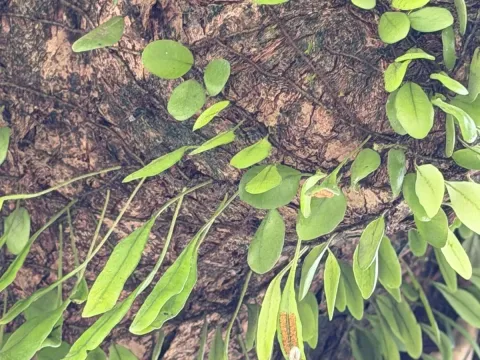
Lepisorus is a genus of ferns belonging to the Polypodiaceae family. These plants are primarily recognized as epiphytes or lithophytes, adapted to grow on tree trunks, branches, or rocky crevices, which dictates their need for specialized drainage and aeration.
What the section contains


Lepisorus
Native to tropical and subtropical regions across Asia and Africa, Lepisorus plants thrive in environments with high humidity and filtered light. Their native habitat provides the essential conditions for their delicate fronds to maintain turgor and healthy color.
The botanical structure of Lepisorus features creeping rhizomes covered in scales and relatively simple, leathery leaves. This structural design helps the plant manage moisture effectively, although they require a consistent environment to avoid stress and leaf drop.
When cultivating these ferns, it is essential to provide a medium that mimics their natural environment, such as a mix of orchid bark, perlite, and peat moss. The substrate should be kept moist but never waterlogged to ensure the rhizomes breathe properly.
Optimal growth is achieved in temperatures ranging from 18°C to 24°C, with high ambient humidity levels. Utilizing pebble trays or regular misting is highly beneficial to maintain the required atmospheric moisture without saturating the potting mix.
Common plant diseases in Lepisorus are usually related to root rot caused by poor drainage or overwatering. Maintaining a strict watering schedule based on the drying rate of the substrate is the most effective preventative measure against fungal outbreaks.
Pests such as spider mites and scale insects are the primary threats, especially in indoor environments with low humidity. Monitoring the underside of the fronds is critical, as early detection allows for physical removal or targeted treatment to preserve the foliage.