
Leptochilus hemionitidius
Leptochilus hemionitidius
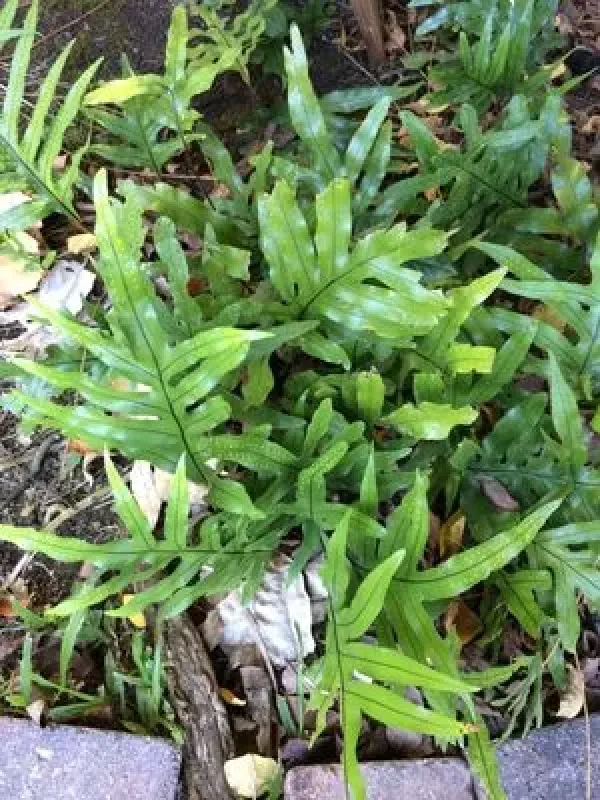
Description
Growing requirements
Leptochilus hemionitidius is a perennial plant belonging to the Polypodiaceae family. It is native to the tropical regions of Southeast Asia, thriving naturally in the understory of dense forests where humidity is consistently high.
To successfully cultivate this fern, growers must replicate its native habitat. A high relative humidity level, ideally above 70%, is essential for the healthy development of its fronds and overall vitality.
The ideal growing medium for this species should be light, porous, and organic-rich. A mixture consisting of peat moss, pine bark, and perlite provides the necessary aeration and moisture retention required for the roots.
Regarding temperature requirements, the plant prefers a stable range between 20°C and 25°C. It is intolerant of cold drafts and temperatures dropping below 15°C, which can cause severe physiological stress.
Light management is critical; Leptochilus hemionitidius requires bright but filtered indirect light. Direct sunlight exposure should be strictly avoided to prevent leaf scorching and desiccation of the delicate foliage.
Main diseases and pests
The most common health issues for this fern relate to improper irrigation practices. Overwatering often leads to root rot, which is caused by anaerobic conditions developing in the potting medium.
Pests such as spider mites and scale insects are frequent threats, especially in environments where air circulation is insufficient and humidity levels are allowed to drop too low.
Integrated pest management (IPM) is recommended to control these outbreaks. This includes regular physical inspection of the foliage and the use of targeted biological controls or mild acaricides when necessary.
Fungal pathogens can also pose a risk if the foliage remains wet for extended periods without adequate air movement. Improving ventilation is often the most effective way to prevent fungal outbreaks.
Regular sanitation of gardening tools and the use of pasteurized substrates help mitigate the risk of introducing soil-borne pathogens into the collection, ensuring the long-term health of the plants.
Harvesting
This species is primarily cultivated for the decorative plant market and specialized botanical collections. It does not have agricultural applications in terms of food or raw material production.
Propagation is primarily achieved through rhizome division. During the repotting process, the mature rhizome is carefully separated, ensuring each segment retains healthy roots and active growth points for successful establishment.
For commercial nurseries, standardizing the size of the propagation units is important. This ensures uniform growth rates and makes the subsequent stages of plant development more predictable.
The optimal time for dividing the plants is early spring, which coincides with the natural start of the growing season and allows for faster recovery of the root systems after the intervention.
When preparing the plants for distribution, maintaining moisture levels in the root zone is vital. The root balls should be wrapped in moistened material to prevent dehydration during transit to the end consumer.