
Dracoglossum plantagineum
Dracoglossum plantagineum
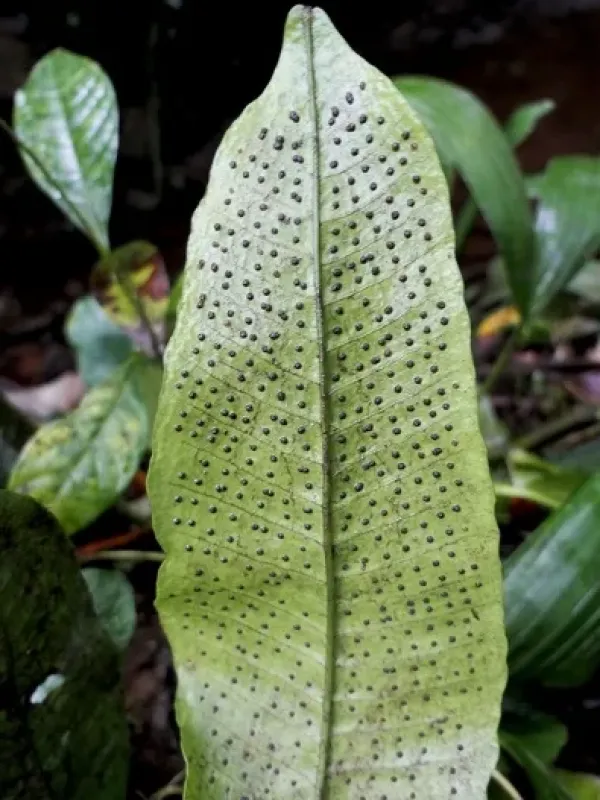
Description
Sowing dates
Sowing of Dracoglossum plantagineum seeds is best performed in late winter or early spring to allow sufficient time for full development during the growing season.
Maintain a stable temperature between 22 and 25 degrees Celsius and ensure the substrate remains consistently moist throughout the germination process.
The seeds are extremely small, so they should be sown on the surface of a pre-moistened substrate and covered with plastic to maintain high humidity.
Seedlings should be pricked out into individual containers once two sets of true leaves have developed to ensure proper root spacing.
Using sterile soil is essential during the initial stages to prevent damp-off and other soil-borne pathogens from affecting the young plants.
Growing requirements
As a member of the Gesneriaceae family, this plant requires bright, indirect light; direct sunlight can scorch the delicate foliage.
High relative humidity is crucial for this species, so utilizing humidifiers or frequent misting is necessary for successful indoor or greenhouse cultivation.
The growing medium must be lightweight, airy, and slightly acidic, with a high proportion of peat and perlite to facilitate excellent drainage.
Watering should be performed carefully, ensuring the substrate is moist but never waterlogged to prevent root decay.
Optimal growth occurs at temperatures between 18 and 24 degrees Celsius, with protection from drafts being necessary to maintain overall plant health.
Yield
Yield for this crop is primarily determined by the biomass of the foliage, which is harvested for pharmacological or decorative use.
Applying balanced liquid fertilizers during the active growth phase significantly improves leaf size and the overall density of the plant.
Optimal light exposure directly correlates with the concentration of secondary metabolites, which are essential for the commercial value of the crop.
Seed production requires careful monitoring, and pods should be harvested as soon as they start to brown to avoid seed loss.
Consistent environmental control in greenhouse facilities can increase total output and improve the uniformity of the harvested biomass.
Main diseases and pests
Spider mites and mealybugs are the most common pests affecting the culture, particularly in conditions with low air humidity.
Root rot and powdery mildew are prevalent fungal threats caused by overwatering and inadequate ventilation between the plants.
Regular application of systemic fungicides and miticides can prevent major outbreaks and ensure long-term crop protection.
Monitoring the undersides of leaves is vital for early pest detection, allowing for localized treatments before infestations spread.
Maintaining strict hygiene practices, such as sterilizing tools and removing dead plant matter, reduces the risk of bacterial infections.
Harvesting
Harvesting should be performed during the peak of vegetative growth to ensure the highest quality of raw material for further processing.
Using clean, sharp scissors ensures that the remaining plant structure remains intact and capable of regenerating new growth.
The harvested material must be dried in a dark, well-ventilated area to prevent degradation of chemical components and ensure quality storage.
Post-harvest care involves clearing the growing area of debris to break the cycle of any existing pests or soil pathogens.
Proper sorting and grading after harvest are essential to meet market standards for uniformity and botanical purity of the product.