
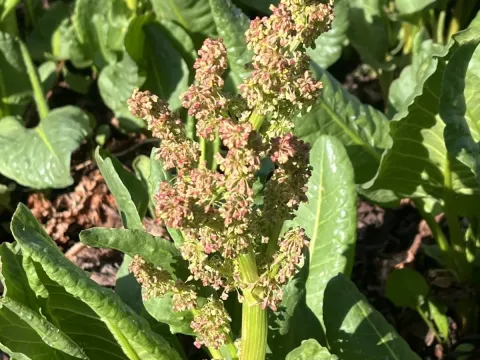
Western dock
Rumex occidentalis
Western dock (Rumex occidentalis) is a perennial herbaceous plant belonging to the Polygonaceae family. It is known for its hardiness and adaptability to diverse temperate environments, making it a reliable crop.
What the section contains
Western dock
Sowing typically begins in early spring once the soil is workable and has reached temperatures of at least 5 degrees Celsius. This allows the plants to establish a robust root system before the onset of summer heat.
Fall sowing is also a viable option in many regions. Seeds planted late in the season will lie dormant and germinate as soon as soil conditions become favorable in the early spring, ensuring a head start.
For optimal results, seeds should be sown in rows spaced 30 centimeters apart. The depth of planting should not exceed 1.5 centimeters to ensure consistent germination rates in well-prepared seedbeds.
Proper density management during sowing is crucial. Overcrowding can lead to stunted growth and reduced leaf size, whereas optimal spacing allows for the healthy development of each individual plant.
Western dock thrives in moist, fertile soils rich in organic matter. Loamy soils with good drainage are ideal, as the plant requires constant water access but is susceptible to rot in waterlogged conditions.
The plant performs best in a pH range of 6.0 to 7.0. While it can tolerate slightly acidic soils, extremely alkaline or acidic environments should be avoided to ensure proper nutrient uptake.
Regarding climate, the plant is quite resilient to cold temperatures. It favors temperate conditions, but once established, the deep taproot allows the plant to survive through various seasonal changes.
Nitrogen-rich fertilization is essential for maximizing foliage production. Organic compost or balanced fertilizers applied in the spring stimulate vigorous growth and improve the quality of the harvest.
While the plant is semi-shade tolerant, full sunlight exposure generally results in higher yields and better vitamin content in the leaves. However, shade can be beneficial during peak summer months to prevent premature bolting.
The yield of Western dock is primarily determined by the age of the plantation and the frequency of harvests. Second and third-year plants are typically the most productive in terms of volume.
Frequent harvesting encourages continuous regrowth. Depending on local climate and management practices, farmers can typically secure multiple harvests throughout the growing season, starting from early spring.
Careful management of soil moisture and nutrients is key to maintaining high yield levels. If plants are stressed by lack of water or poor soil quality, yields will drop significantly after the first cut.
Avoiding premature bolting is critical. Once the plant begins to produce flower stalks, its energy is diverted from leaf production, resulting in smaller, tougher leaves that are less marketable.
Efficient harvesting techniques can boost cumulative seasonal yield by ensuring that plants are not damaged during the cutting process, allowing for rapid regeneration of new foliage.
Common pests affecting the crop include various species of leaf-eating beetles and aphids. These pests can rapidly defoliate plants, causing economic losses and reducing the overall health of the stand.
Fungal diseases like leaf spot and rust are frequent challenges, especially during periods of high humidity and poor air circulation within the planting area.
Downy mildew may also occur, manifesting as discolored patches on leaves. This disease thrives in cool, damp conditions, necessitating proactive management and good spacing to minimize spread.
Integrated pest management, including regular crop inspection and the removal of infected plant debris, is the primary defense strategy for organic and commercial growers.
- Crop rotation to break pest cycles.
- Maintaining proper field sanitation.
- Using row covers in early development stages.
- Monitoring irrigation to avoid excess humidity.
Harvesting begins when leaves are healthy and have reached a marketable size, usually about 15 centimeters in length. Harvesting at the correct stage ensures the best flavor and nutritional profile.
Leaves should be cut at least 3 centimeters above the soil surface. This protects the plant's crown, which is essential for continued growth and subsequent harvest rounds during the season.
Harvesting should be conducted early in the morning when the leaves are most turgid. This helps in maintaining freshness during transport and storage before the produce reaches the consumer.
Post-harvest management involves keeping the leaves cool and avoiding direct sunlight. The produce is highly perishable and should be processed or marketed as quickly as possible after collection.
As the season comes to an end, it is recommended to cease harvesting at least four weeks before the first hard frost. This allows the plants to store sufficient energy in their roots for winter survival.