
Ipomopsis aggregata
Ipomopsis aggregata
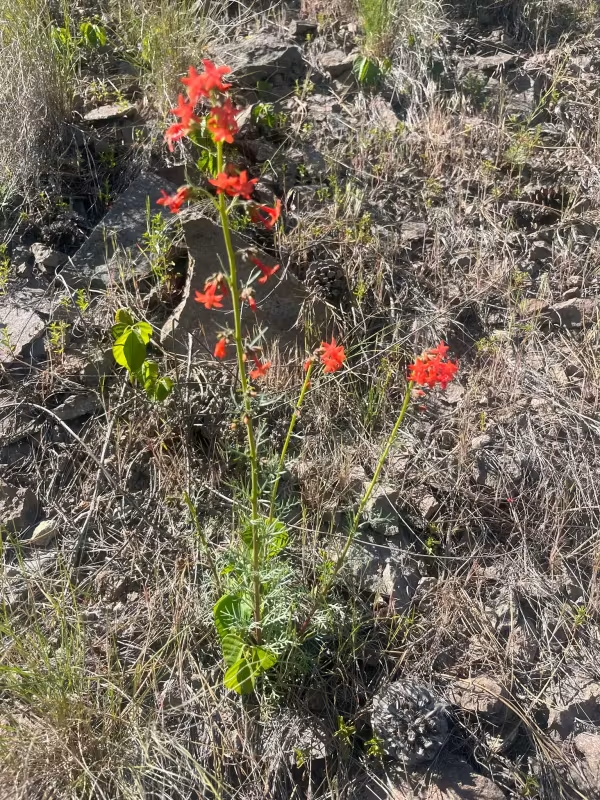
Description
Sowing dates
Ipomopsis aggregata, commonly known as Scarlet Gilia, is typically propagated from seed. Seeds perform best when sown directly outdoors in the fall, allowing for natural winter cold stratification which significantly improves germination rates in the spring.
When spring sowing is necessary, surface sowing is recommended because the seeds require some exposure to light to germinate. A thin layer of grit or vermiculite can be applied to keep the seeds in place without burying them deeply.
Consistent soil moisture is vital during the germination phase. The soil should be kept damp but not waterlogged, as seeds can be sensitive to rot if the medium remains saturated for too long.
The plant undergoes a rosette stage during its first year, focusing its energy on root system development. Gardeners should ensure that the seedlings are thinned out early to prevent competition for resources.
Spacing is a critical factor for long-term health; plants should be kept approximately 10 to 12 inches apart to ensure sufficient airflow and to prevent the spread of soil-borne pathogens.
Growing requirements
This species belongs to the Polemoniaceae family and is native to western North America. It thrives in open, sunny locations where it can receive direct light for most of the day, ensuring vigorous stem development.
Soil drainage is the most important factor in the cultivation of Ipomopsis aggregata. It performs exceptionally well in lean, sandy, or rocky soils that do not retain excess moisture for long periods.
The plant is highly drought-tolerant once established, thanks to its deep taproot. It is well-adapted to habitats where water availability is irregular, making it an excellent candidate for xeriscaping.
Nutrient requirements are generally low. Over-fertilizing, particularly with nitrogen, is counterproductive as it can cause the stems to become weak and prone to lodging, ultimately reducing the plant's aesthetic value.
Temperature tolerance is broad, but the plant requires protection from winter waterlogging. Mulching with gravel around the root zone can help prevent crown rot during the wet season.
Main diseases and pests
The primary threat to the health of Ipomopsis aggregata is root and crown rot, which occur almost exclusively in soils with poor drainage. Providing a well-aerated environment is the best preventative measure.
Powdery mildew may manifest on foliage if the planting density is too high or if airflow is significantly restricted. Ensuring adequate spacing between plants is essential to manage this risk effectively.
Aphids and mites can become a nuisance, particularly on the tender flower buds during the peak growing season. Regular monitoring and, if necessary, the application of horticultural soap can keep these pests at bay.
Soil-dwelling larvae can occasionally damage the root system. Using sterile planting media for early stages of development and avoiding excessive organic matter in the soil helps reduce this risk.
To maintain a healthy planting, all diseased or dead plant matter should be carefully removed and destroyed at the end of the season to avoid harborages for overwintering pests and fungi.