
Standing cypress
Ipomopsis rubra
Description
Sowing dates
Standing cypress, botanically known as Ipomopsis rubra, is typically a biennial plant that requires specific timing for successful establishment. Seeds should be sown in late spring once the danger of frost has passed, or in late autumn for a natural cold stratification that enhances spring germination.
Because the seeds require light for optimal germination, they must be surface-sown or covered only with a very thin layer of soil. In cooler climates, starting seeds indoors in cell trays is a common practice, allowing for a stronger root system before transplanting into the garden beds once temperatures stabilize.
When starting indoors, provide high light intensity to prevent the seedlings from becoming leggy. Leggy plants often struggle to support their tall, spire-like flower stalks, making them prone to lodging during wind or heavy rainfall, which diminishes their ornamental value significantly.
Transplanting should be handled with extreme care due to the plant’s taproot system. It is best to transplant seedlings when they are young and before they become root-bound in their starter containers. Proper spacing, typically 12 to 16 inches apart, is crucial to ensure adequate air circulation.
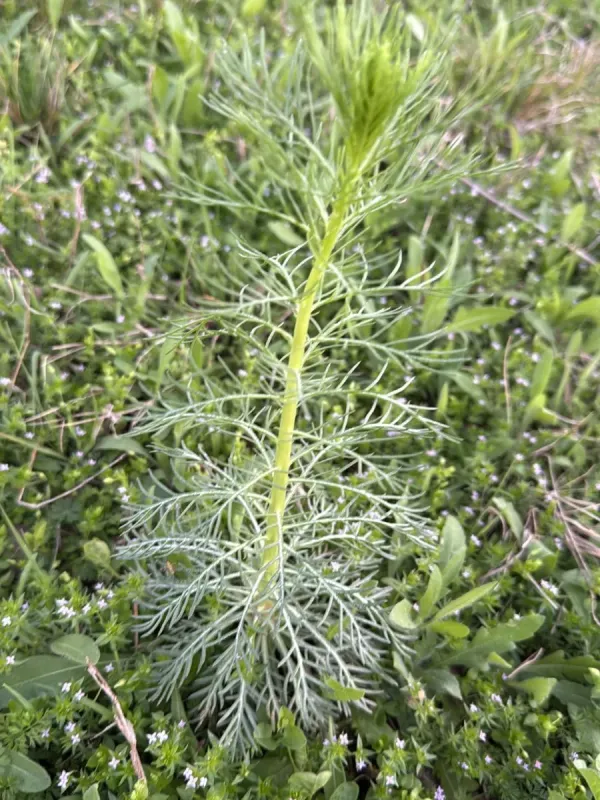
Once established in the garden, the plants will develop a basal rosette of feathery leaves during the first year. The spectacular, deep red, tubular flowers appear during the second year, typically throughout the summer months, attracting various pollinators including hummingbirds and butterflies.
Growing requirements
Standing cypress thrives in full sun exposure. It is a heliophilic plant, and any degree of shade will result in reduced flower production and weak, spindly growth. Selecting the correct location is the most important step in the successful cultivation of this species.
Regarding soil conditions, this plant is highly sensitive to soil drainage. It requires well-draining, sandy, or rocky soils. It will not tolerate heavy, clay-based substrates that hold excessive moisture, as this leads to root rot and rapid decline of the plant, especially during dormant or wet periods.
Irrigation should be managed carefully. While young plants require regular moisture to become established, mature plants are relatively drought-tolerant. During the flowering stage, consistent soil moisture is beneficial, but waterlogging must be avoided to keep the root zone healthy.
Fertilization is rarely necessary and should be applied with caution. Excess nitrogen encourages vigorous leaf growth at the expense of floral development. If the soil is particularly poor, a light application of a low-nitrogen, high-phosphorus fertilizer in early spring can encourage better bloom intensity.
Standing cypress is best suited for zones that do not experience extreme soil freezing. In colder regions, applying a layer of mulch around the base of the plant can provide protection against rapid freeze-thaw cycles, although the plant is generally hardy enough to withstand typical temperate winters.
Main diseases and pests
Powdery mildew is the most common fungal threat, particularly in regions with high humidity or poor air circulation. To manage this, ensure sufficient spacing between plants and avoid overhead watering that keeps the foliage damp for extended periods throughout the growing season.
Aphids and spider mites are the primary insect pests affecting Ipomopsis rubra. These sap-sucking insects can stunt growth and damage the flower buds. Regular monitoring and the use of insecticidal soap or neem oil can help keep these populations under control without harming beneficial pollinators.
Root rot, caused by overwatering or poorly drained soil, is a frequent cause of mortality. If the leaves begin to yellow or wilt unexpectedly despite adequate surface moisture, it is a sign that the root system is struggling with oxygen deprivation due to saturated soil conditions.
Slugs and snails can be problematic for young rosettes in the first year. Setting up physical barriers, such as crushed eggshells or copper tape, can effectively protect the plants from grazing. Avoiding thick layers of wet mulch near the crown of the plant also helps mitigate this threat.
To maintain a healthy garden patch, practice crop rotation and avoid planting Standing cypress in areas where other Polemoniaceae family members have recently grown. This reduces the pressure from soil-borne pathogens and helps maintain soil vitality for future planting cycles.