
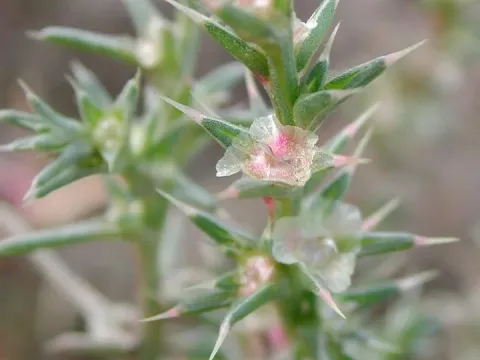
Tragus
Tragus
Tragus species are typically annual grasses that initiate growth during the spring season when temperatures reach an optimal biological threshold.
What the section contains


Tragus
The germination process is triggered as soil temperatures stabilize above 12-15 degrees Celsius, allowing for successful emergence in temperate and arid zones.
Seeds should be sown at a shallow depth, as the small size of the caryopses requires minimal coverage to ensure timely development of the root system.
Uniform distribution during planting facilitates rapid ground coverage, which is crucial for maximizing biomass production in the early stages of vegetation.
The planting calendar must be aligned with the onset of seasonal rainfall to provide adequate moisture for germination without excessive soil saturation.
The genus thrives in well-drained sandy or loamy soils that allow for rapid drainage and prevent the accumulation of excess water around the root zone.
Tragus is highly adapted to arid environments, exhibiting significant drought tolerance and the ability to maintain biological activity under water-stressed conditions.
Nutrient requirements are relatively low, as these plants are capable of thriving in nutrient-poor soils where competitive flora often fail to establish.
Full sun exposure is a critical requirement for this genus, as it enhances metabolic rates and promotes the rapid transition through growth stages.
Tolerance to alkaline and saline soil conditions makes this plant a valuable candidate for re-vegetation projects in degraded steppe environments.
Biomass production is highly variable and depends largely on the availability of soil moisture during the critical phases of stem elongation and flowering.
Under favorable environmental conditions, the crop can yield significant quantities of forage material if harvested prior to the hardening of the stems.
The nutritional profile of the plant is optimal during the vegetative stage, offering a source of crude protein and essential minerals for grazing livestock.
Yield stability is an inherent feature of this genus, provided that the crop is not subjected to severe competition from more dominant weed species.
Future agricultural research may focus on identifying high-yielding strains to improve the economic viability of Tragus in livestock-dependent pastoral systems.
This genus is generally resistant to many common fungal diseases, reducing the need for intensive chemical interventions in the field.
Soil-dwelling larvae, such as those of the click beetle, represent the primary threat to the root system during the initial stages of seedling development.
The specialized structure of the bur-like glumes provides a natural defense mechanism against seed predation by birds and various rodent species.
Weed competition remains the most significant threat to the successful establishment and development of a uniform Tragus stand.
Lack of specific susceptibility to major cereal pathogens makes it a robust biological component in various environmental restoration and farming contexts.
Harvesting for forage purposes should be conducted during the pre-flowering stage to prevent the maturation of the abrasive and thorny inflorescences.
Seed harvesting requires a precise approach, ideally when the grains reach physiological maturity but before the natural shattering of the seed heads.
Mechanized harvesting equipment must be equipped with efficient cleaning mechanisms to separate the grains from the rigid, spine-covered bracts.
Storage of the harvested crop necessitates a low-humidity environment to prevent the degradation of biomass quality and the risk of localized mold.
Post-harvest residues can be effectively utilized as green manure, contributing to the enrichment of soil organic matter in fragile arid ecosystems.