
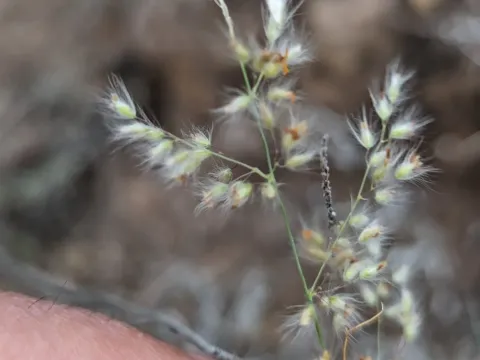
Tricholaena
Tricholaena
Sowing Tricholaena typically occurs in the spring once soil temperatures reach 15–18°C. Being a heat-loving plant, it requires consistent temperatures to ensure successful seed germination and the establishment of a robust root system.
What the section contains


Tricholaena
Optimal growth requires a site with full sun exposure. Seeds should be sown in rows, avoiding deep burial, as they are small and perform best when distributed near the surface. Providing light soil cover helps maintain moisture during the critical germination phase.
In regions with tropical or seasonal rainfall, sowing at the beginning of the rainy season provides the young seedlings with the necessary moisture reserves. In temperate climates, sowing outdoors must only occur after the final frost risk has completely passed.
Seeding rates should be adjusted based on the intended use, whether for hay production or grazing. Proper density ensures a dense stand that naturally suppresses weeds during the initial stages of vegetative development.
Success starts with high-quality, cleaned seed material. Before sowing, the soil should be finely tilled and firmed to ensure uniform seed distribution and optimal contact between the seed and the soil particles for better moisture uptake.
Tricholaena is a member of the Poaceae family, recognized for its exceptional resilience to harsh environmental conditions. It thrives in arid and semi-arid climates, demonstrating high tolerance to extended drought periods that would inhibit other grass species.
The crop prefers light, well-drained sandy or sandy-loam soils. It does not tolerate waterlogging, meaning areas with high water tables or heavy, poorly drained clay soils are unsuitable for successful cultivation.
The plant possesses a deep, extensive root system, allowing it to efficiently extract nutrients from relatively poor soils. While inherently hardy, the application of minimal nitrogen fertilizer during early development stages can significantly boost biomass yields.
Tricholaena is characterized by high photosynthetic efficiency under high air temperatures. This makes it an ideal crop for tropical and subtropical regions where many other forage grasses may suffer from heat stress and rapid drying.
A neutral to slightly acidic soil pH is ideal for healthy growth. If the soil is excessively acidic, liming may be necessary to ensure the availability of essential minerals and micronutrients required for maximum productivity.
The primary use of Tricholaena is for the production of high-quality green fodder and hay for livestock. It is known for its good palatability, making it a preferred choice for grazing animals during peak vegetation cycles.
With proper management, the crop can yield multiple cuts per growing season. Total biomass production is directly correlated with moisture availability and the strategic application of fertilizers to support regrowth after each harvest.
Hay harvested from Tricholaena is valued for its nutritional profile, particularly its protein content during the heading phase. It is essential to mow the crop before it matures fully, as lignification of the stems significantly reduces digestibility for livestock.
The crop also serves as a reliable pasture grass in regions where forage supplies are otherwise limited. It withstands moderate grazing well, exhibiting strong regenerative capacity that allows it to recover quickly after being consumed by livestock.
An additional benefit is the plant's contribution to soil conservation. Its dense root network effectively stabilizes the soil surface, providing an excellent solution for preventing erosion on slopes and in wind-prone agricultural areas.
Tricholaena is naturally resistant to many common diseases affecting grasses. However, poor management practices, particularly excessive irrigation or waterlogging, can lead to the development of fungal infections that affect overall plant health.
Pests such as grasshoppers or specific caterpillar species may pose a threat by feeding on the vegetative biomass. Regular field monitoring is critical to detect pest pressure early and allow for targeted management actions if necessary.
In cases of fungal infection, fungicide applications should be considered a last resort, strictly adhering to safety intervals before grazing or harvesting. Improving drainage and thinning dense stands often resolve minor moisture-related issues.
Root rot risks are primarily associated with poorly drained sites. Preventive strategies include site selection and crop rotation to interrupt the life cycles of soil-borne pathogens, ensuring the health of subsequent plantings.
Weed competition is only a significant threat during the early seedling stage. Once the stand is established and closed, Tricholaena is highly competitive and typically outcompetes most weeds, effectively keeping the field clean.
For hay production, mowing is recommended at the onset of flowering or heading, when nutrient concentrations in the leaves and stems are at their highest. Timely harvest ensures the highest return on nutritional value for the herd.
To speed up the drying process, tedding is recommended to ensure even moisture distribution across the swath. The harvest window should be carefully selected based on weather forecasts to minimize the risk of rain damage to the cut hay.
When using Tricholaena for grazing, a rotational grazing system is essential. This allows the grass sufficient time to recover, preventing overgrazing and ensuring the long-term vigor of the root system and future yields.
For seed collection, harvesting should be performed once the panicles have fully matured. Since seeds can be prone to shattering, timing is critical, and gentle harvesting equipment should be used to minimize seed loss in the field.
Post-harvest management involves light harrowing or a maintenance fertilization application to stimulate vigorous regrowth. Under optimal conditions, this management allows for additional cuttings, maximizing the annual productivity of the land.