
Tragus biflorus
Tragus biflorus
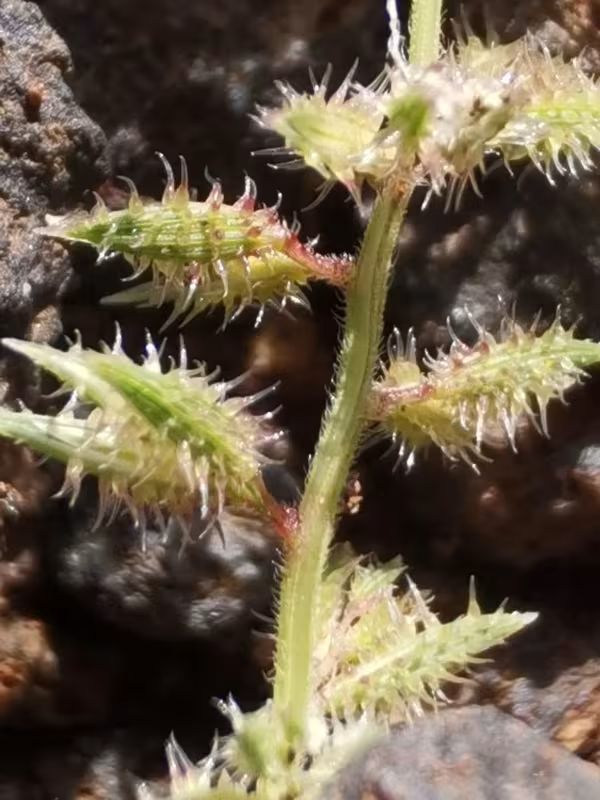
Description
Growing requirements
Tragus biflorus is a species of grass belonging to the family Poaceae. This plant is well-regarded for its role in maintaining stable grassland ecosystems in arid and semi-arid environments.
The species is highly drought-tolerant, exhibiting remarkable resilience in sandy and nutrient-poor soils where other grasses might fail. It thrives in high-temperature climates with minimal rainfall.
Botanically, it features a specialized root architecture that optimizes water extraction from the soil profile. This adaptation allows the plant to sustain growth during severe dry seasons.
Cultivation requirements are relatively low, as the plant naturally propagates in open, sunny habitats. Proper soil aeration is essential for optimal development, as the plant avoids waterlogged conditions.
In terms of agricultural utility, it serves as a reliable forage crop for livestock, providing biomass in regions where conventional crops struggle to establish.
Main diseases and pests
The primary threats to this grass include fungal pathogens that proliferate during periods of high humidity, which can negatively affect seed maturation and vegetative health.
Pests such as grasshoppers and aphid populations are common threats that target the foliage, potentially reducing the overall nutritional quality of the pasture.
Root rot diseases are considered a risk factor primarily on poorly drained sites or in instances of extreme overgrazing, which weakens the plant's natural defense systems.
Managing competing invasive weeds is crucial, although the plant typically maintains a strong presence when grazing pressure is controlled and balanced.
Preventative strategies focus on sustainable land management, including rotational grazing and monitoring for early signs of infestations to prevent widespread damage.