
Pseudosasa taxifolia
Pseudosasa taxifolia
Description
Growing requirements
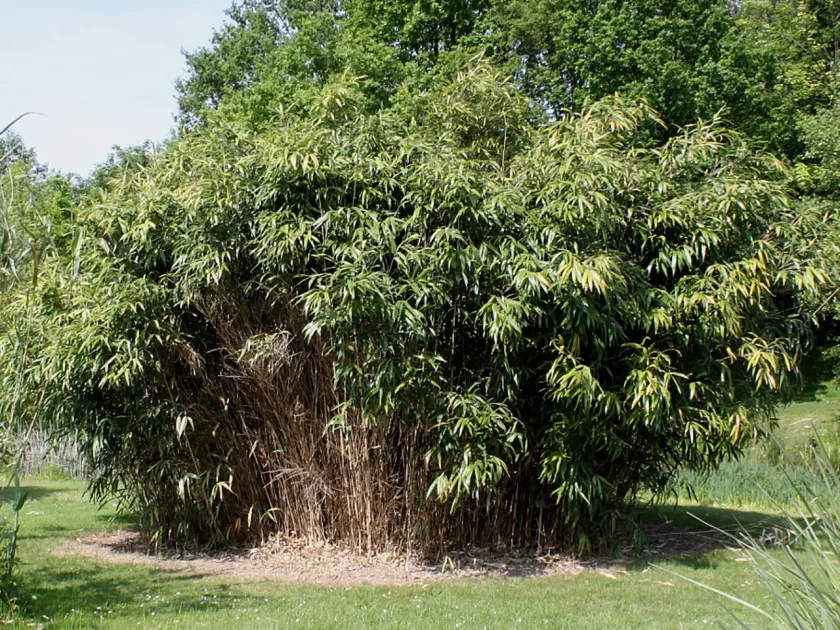
Pseudosasa taxifolia is a perennial evergreen plant belonging to the Poaceae family. It is a distinctive member of the bamboo group, recognized for its dense, upright stems and narrow, yew-like leaves, which gives the plant a formal and highly ornamental appearance.
The species originates from the subtropical regions of East Asia, primarily Japan. It thrives in temperate climates where it can be protected from harsh, desiccating winds, preferring locations that receive consistent sunlight to maintain its dense foliage pattern.
For optimal growth, this bamboo requires fertile, well-draining soil with a neutral to slightly acidic pH level. It is highly susceptible to root issues if water is allowed to pool, making effective drainage systems a mandatory component of its agricultural management.
Regarding climate, Pseudosasa taxifolia is moderately cold-hardy, typically tolerating temperatures down to -15 to -18 degrees Celsius. In regions prone to colder winters, providing a thick layer of mulch around the base is essential to protect the rhizome system from freezing.
In terms of agricultural and landscape use, this species is highly valued for creating dense, evergreen hedges and privacy screens. Its ability to grow in clusters makes it an excellent choice for windbreaks and ornamental focal points in garden and public park design.
Main diseases and pests
The primary pests affecting Pseudosasa taxifolia include spider mites and scale insects, which frequently appear in low-humidity environments. Monitoring the undersides of the leaves is crucial for the early detection of these pests before they inflict significant damage.
Fungal diseases, such as leaf spot and various root rots, are common threats, usually triggered by improper moisture management. Ensuring proper air circulation between stems is a fundamental preventative measure against these infections.
Excessive soil moisture can lead to chlorosis and subsequent leaf drop, often indicating a decline in root health. If these symptoms appear, it is necessary to reduce irrigation frequency and apply systemic fungicides to manage potential rot.
Soil-dwelling insects, such as white grubs, can feed on the rhizome system, potentially stunting growth or causing plant death. Preventive application of soil insecticides during the onset of the growing season is recommended in high-risk areas.
Sanitary pruning is an important maintenance task, involving the removal of dead or diseased canes. This practice reduces the presence of pathogens within the plant canopy and stimulates the production of healthy, vigorous new growth.