
Pseudoxytenanthera monadelpha
Pseudoxytenanthera monadelpha
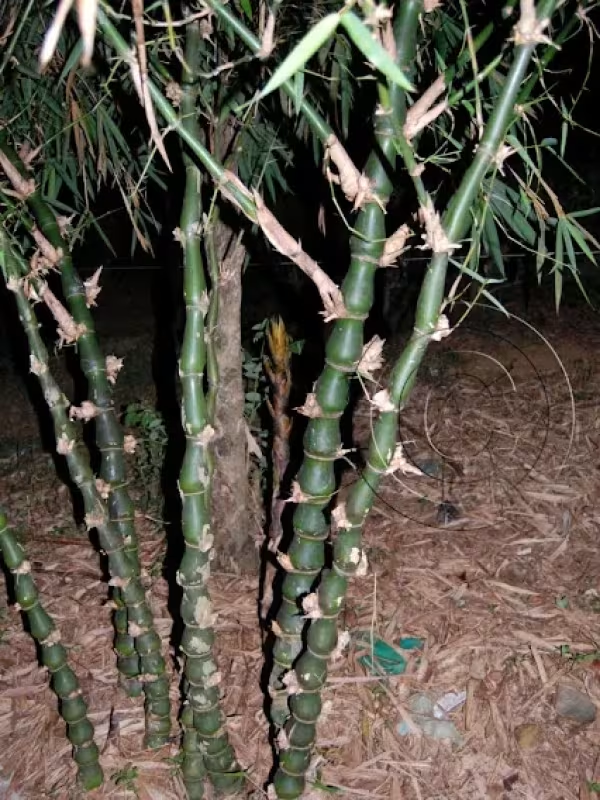
Description
Growing requirements
Pseudoxytenanthera monadelpha is a perennial species belonging to the Poaceae family, widely recognized as a versatile tropical bamboo. It develops dense, clumping stalks that are characteristic of its growth habit in native Asian ecosystems.
The plant thrives in warm, humid climates where temperatures remain consistently high throughout the year. It requires significant sunlight for optimal photosynthetic activity, although it can tolerate partial shade during early growth stages.
Soil requirements for this crop focus on fertility and drainage. It prefers well-aerated, loamy soils that allow for rapid expansion of the root network while preventing moisture stagnation, which could lead to root rot.
Agricultural practices for this bamboo species involve careful management of soil nutrition and moisture. Regular watering is essential in areas where rainfall is seasonal, ensuring the plant maintains its vigor during the peak vegetative period.
Integrated management is crucial for maintaining a healthy plantation. This includes periodic thinning of the stalks to improve light penetration and nutrient distribution throughout the bamboo clump.
Harvesting
Pseudoxytenanthera monadelpha has diverse industrial applications, ranging from traditional construction to the production of high-quality pulp and artisanal crafts. Its flexible yet durable stalks make it a valuable commodity.
Harvesting strategies are based on the selective removal of mature culms, typically between 3 to 5 years of age. By harvesting only the mature stems, growers ensure the sustainable development and longevity of the bamboo cluster.