
Puccinellia fasciculata
Puccinellia fasciculata
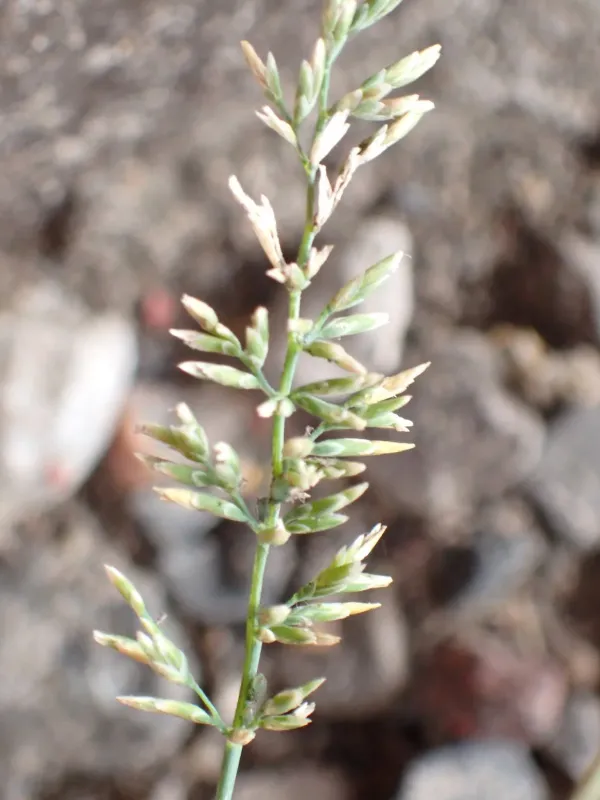
Description
Sowing dates
Sowing of Puccinellia fasciculata is typically carried out in spring when soil temperatures reach 8–10 degrees Celsius, ensuring adequate moisture for initial germination.
For better results in wet areas, autumn sowing is recommended, as natural stratification helps break seed dormancy and ensures a more uniform spring stand.
The seeding rate varies based on the purpose; generally, 10–12 kg per hectare is sufficient for pasture establishment, ensuring high density for future grazing cycles.
Post-sowing rolling is a critical agronomic step to ensure close seed-to-soil contact, which is vital for survival in sandy or loose saline soil profiles.
As the seedlings have a slow initial growth rate, fields should be cleared of competitive weeds before planting to prevent stunted development in early stages.
Growing requirements
Belonging to the Poaceae family, Puccinellia fasciculata is a highly specialized halophyte, capable of thriving in soils with high concentrations of sodium and chlorides.
The plant requires full sun exposure and open sites to achieve its maximum biomass potential, making it ideal for coastal plains and saline meadow restoration.
It exhibits strong tolerance to cold temperatures and can withstand periodic waterlogging, allowing it to survive in flood-prone river deltas and marshes.
Soil fertility requirements are modest; the plant successfully colonizes saline and alkaline substrates that are otherwise unsuitable for standard agricultural crops.
Neutral to alkaline pH levels are optimal, as the plant has evolved to extract nutrients efficiently even under extreme osmotic stress in salty environments.
Yield
Biomass yield depends on salinity and moisture availability, typically ranging from 8 to 15 tons per hectare under well-managed irrigation or natural moisture conditions.
The species is known for its excellent regrowth capacity, which makes it a sustainable choice for rotational grazing throughout the entire vegetation season.
Seed production is stable, supporting natural reseeding of pasture lands and reducing the costs associated with frequent artificial replenishment of the stand.
Forage quality remains acceptable for livestock even on degraded land, providing a critical source of nutrition in areas where common grasses cannot survive.
Strategic nitrogen fertilization can significantly boost vegetative development and tiller density, further improving the overall grazing capacity of the field.
Main diseases and pests
The primary pathological threats include rust fungi, which are prevalent in high-humidity environments and can reduce foliage quality and total plant vigor.
Root rot diseases may occur in cases of prolonged water stagnation; therefore, field drainage management is essential for maintaining a healthy root system.
Cereal flies and aphids are the main insect pests that damage young vegetative shoots, potentially impacting the stand's density during early development.
Pest damage to reproductive stems during the flowering phase can lower seed yields, requiring timely monitoring and localized pest control measures.
Maintaining a balanced grazing pressure is the most effective preventive measure against both weed invasion and common plant health issues in the field.
Harvesting
For high-quality hay production, harvesting should occur at the early heading stage, before the stems become overly lignified and nutrient levels decline.
Pasture management requires rotational grazing to avoid soil compaction and plant thinning, ensuring long-term persistence of the grass cover.
Seed harvesting is conducted using standard combine harvesters when the panicles have reached full maturity and show a characteristic brownish color.
Post-harvest processing involves immediate cleaning and drying of the seeds to prevent moisture-related quality loss during long-term storage.
Integrating mowing and grazing cycles is the best practice for maintaining the longevity of the stand and maximizing the economic return of the land.