
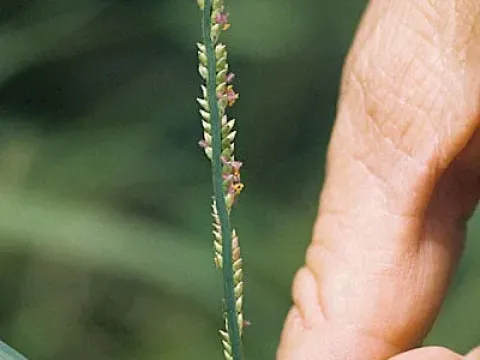
Paspalidium
Paspalidium
The optimal sowing time for Paspalidium depends on the regional climate, as this crop thrives in warm environments. Ideally, seeds should be sown when soil temperatures reach 18-20°C at the seeding depth.
What the section contains
 Desert paspalidium
Paspalidium desertorum
Paspalidium aversum
Paspalidium aversum
Desert paspalidium
Paspalidium desertorum
Paspalidium aversum
Paspalidium aversum
 Paspalidium caespitosum
Paspalidium globoideum
Paspalidium globoideum
Paspalidium caespitosum
Paspalidium caespitosum
Paspalidium globoideum
Paspalidium globoideum
 Paspalidium jubiflorum
Paspalidium obtusifolium
Paspalidium obtusifolium
Paspalidium jubiflorum
Paspalidium jubiflorum
Paspalidium obtusifolium
Paspalidium obtusifolium
 Paspalidium punctatum
Paspalidium punctatum
Paspalidium punctatum
 Slender panicgrass
Paspalidium gracile
Slender panicgrass
Paspalidium gracile
Paspalidium
In tropical and subtropical regions, planting is often coordinated with the start of the rainy season. This timing ensures sufficient moisture for the seeds to germinate effectively and establish a root system.
Because the seeds are relatively small, they should be planted at a shallow depth of 1-2 centimeters. Achieving good contact between the seed and the soil is essential for uniform emergence.
Paspalidium can be established through direct drilling or by overseeding existing pastures. The latter method is particularly useful for improving the quality of degraded lands without total soil disturbance.
Rolling the soil after seeding is recommended in drier regions to enhance capillary action and ensure that moisture reaches the developing seeds, thereby increasing the overall germination rate.
Paspalidium is a genus within the Poaceae family, known for its significant adaptability. These plants are essentially warm-season grasses that excel in high-light environments and show remarkable resilience.
The crop is not highly demanding regarding soil quality, performing well in loose, well-drained loam. Notably, several species within the genus are tolerant of periodic flooding, making them useful in areas prone to seasonal waterlogging.
For active growth, the plant prefers temperatures ranging from 25 to 35°C. It exhibits excellent drought tolerance, allowing it to survive long dry spells while maintaining root viability for rapid recovery.
Agronomic management requires careful control of plant density. Excessive competition for soil nutrients should be avoided through regulated seeding rates, adapted to the specific soil fertility levels.
While the grass can thrive in low-fertility soils, nitrogen fertilization can significantly boost biomass production. Its ability to grow in challenging conditions makes it a key candidate for land restoration projects.
The yield of Paspalidium is primarily influenced by moisture availability and soil nutrient profiles. Under optimal environmental conditions, the crop is capable of producing multiple cuts during a single growing season.
The plant produces a high proportion of dry matter, making it a reliable source for hay production. The robust regrowth potential after cutting makes it an excellent forage resource for livestock production systems.
Yield performance is notably enhanced by timely fertilization. Applying moderate doses of nutrients after each harvest cycle effectively stimulates tiller production and increases the overall biomass of the stand.
The peak nutritional quality and yield volume are reached during the late vegetative phase or at the onset of heading. Harvesting at this stage ensures the best balance of fiber, protein, and digestibility.
Strategic grazing and harvesting management are crucial to maintain yield stability over the years. By avoiding over-utilization, producers can ensure that the grass remains productive for many consecutive seasons.
Fungal diseases, such as rust and powdery mildew, represent the primary phytopathological threats. These issues typically emerge during periods of high humidity and poor air circulation within the grass canopy.
Pests, particularly soil-borne larvae like wireworms, can damage roots and lead to thinning of the stand. Such damage can reduce the overall density of the pasture and increase weed infestation.
Locust swarms can pose a severe threat in specific regions, capable of stripping large areas of green matter within a short timeframe. Regular monitoring of pest populations is essential for proactive management.
Cultural control methods, including crop rotation and proper grazing management, are the most effective strategies for long-term health. Maintaining a vigorous, healthy stand provides natural resistance to most pathogens.
Chemical intervention should be used cautiously and only when necessary to preserve the ecological balance of the pasture. Integrated pest management remains the preferred approach for sustainable Paspalidium cultivation.
Harvesting for hay must be completed before seed maturity to ensure maximum nutritional content. Once the plant enters the reproductive stage, stems become lignified, significantly reducing their palatability and feeding value.
For effective hay curing, rapid moisture removal is required. Using proper tedding and windrowing techniques under sunny conditions helps preserve the leaf quality and nutrient integrity of the forage.
Pasture management relies on rotational grazing systems. Moving livestock between paddocks allows for balanced regrowth and prevents the exhaustion of the grass roots due to continuous grazing pressure.
Seed production requires careful handling, as seeds may shatter easily upon reaching full maturity. Harvesting should be performed with equipment set to low drum speeds to prevent seed breakage.
Post-harvest management involves evaluating stubble height to ensure future resilience. Providing adequate recovery time after the final harvest or grazing cycle is vital for the plant to replenish its energy reserves.