
Paspalidium punctatum
Paspalidium punctatum
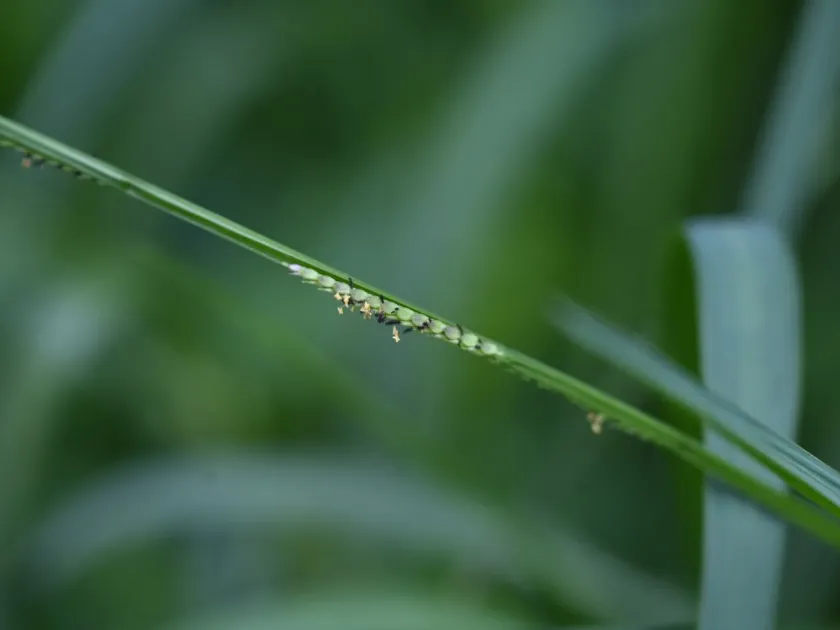
Description
Sowing dates
Paspalidium punctatum is a perennial grass belonging to the Poaceae family, primarily known for its remarkable ability to thrive in seasonally inundated environments. Its botanical architecture is well-suited for wetlands, marshes, and river floodplains where other forage grasses typically fail.
Sowing should be performed when soil temperatures are consistently high, as this species requires significant warmth for optimal germination and early growth. In tropical and subtropical regions, the beginning of the rainy season is generally the most favorable time to establish a new crop.
Seeds should be planted at a shallow depth to ensure they are close to the soil surface while maintaining adequate moisture levels. Preparation of the seedbed involves creating a fine, weed-free surface, which is essential for uniform emergence and to reduce competition during the initial growth stages.
Seed density is a critical factor in establishing a productive stand. A higher seeding rate is often recommended in areas where moisture levels might fluctuate, helping to create a dense canopy that shades the ground and limits the emergence of opportunistic weeds.
Adequate soil moisture management immediately after sowing is paramount. If natural rainfall is insufficient, supplemental irrigation is necessary to ensure the seeds stay consistently moist during the critical period of radicle emergence and establishment.
Growing requirements
Paspalidium punctatum thrives in heavy, nutrient-rich soils such as silty clays and alluvial sediments. Its preference for wet habitats makes it highly tolerant of waterlogged conditions, where it can maintain its metabolic activity under oxygen-limited scenarios.
The plant is highly temperature-dependent, requiring warm climates to reach its full productive potential. Optimal growth occurs when daytime temperatures stay between 25 and 35 degrees Celsius, with no significant risk of frost throughout the growing season.
Light availability is crucial for this species; it is an obligate heliophyte. It does not tolerate shade well, and therefore, it should be planted in open areas, such as low-lying fields or flood plains, that receive direct sunlight for the majority of the day.
Nutrient requirements are moderate, but the grass responds vigorously to nitrogen fertilization. In pastoral systems, the integration of legumes or periodic application of organic matter helps maintain soil fertility and boosts the total biomass yield per hectare.
While the plant excels in wet conditions, it also possesses a degree of tolerance to minor dry spells. However, for maximum forage production, it requires consistent water availability, which is the defining factor of its distribution in natural and managed landscapes.
Yield
The primary use of Paspalidium punctatum is as a high-quality forage source for livestock. It is prized for its ability to provide green fodder throughout the year, especially in tropical climates where growth rates are elevated by consistent rainfall and high solar radiation.
Yield consistency is achieved through a rotational grazing or multi-cut harvesting strategy. By allowing the plants to recover after grazing, farmers can maximize the cumulative annual biomass production while preventing the depletion of stored energy in the roots.
Nutritional profile analysis indicates that the green mass is rich in crude protein and digestible fiber, making it an excellent base for cattle diets. It is highly palatable, and animals often exhibit favorable weight gain when grazing on fresh stands of this grass.
When used for silage or hay, Paspalidium punctatum retains its nutritional value well if harvested at the optimal vegetative stage, just before the seed head fully matures. This ensures the correct balance between fiber digestibility and overall protein content.
Effective management of grazing pressure is the key to longevity. Avoiding overgrazing ensures that the plant retains enough photosynthetic surface area to regenerate efficiently, which is the foundation of high long-term yields in permanent pasture systems.
Main diseases and pests
The most common biological threats to Paspalidium punctatum are fungal pathogens that flourish in the humid environments the plant prefers. Leaf spots and rusts can develop rapidly if air circulation is poor or if the stand remains damp for extended periods without sunlight.
Insects, such as various species of grasshoppers, aphids, and stem-boring moths, can cause significant damage to young shoots. Monitoring for early signs of infestation is essential to prevent these pests from spreading through the stand during peak growth phases.
Weed competition represents a major challenge during the stand establishment period. Fast-growing invasive species can easily smother young Paspalidium plants, requiring manual or selective chemical control measures to ensure the crop gains a competitive advantage.
Soil-borne diseases can occur if the field is poorly managed or if stagnant water remains on the surface for too long during non-growing seasons. Proper field drainage design helps mitigate these risks by preventing long-term anaerobic conditions that favor root pathogens.
Integrated pest management strategies should focus on maintaining a healthy, vigorous crop. A strong, rapidly growing stand of Paspalidium punctatum is generally more resistant to minor pest pressures and recovers faster from pathogenic attacks compared to weakened or nutrient-deficient plants.