
Desert paspalidium
Paspalidium desertorum
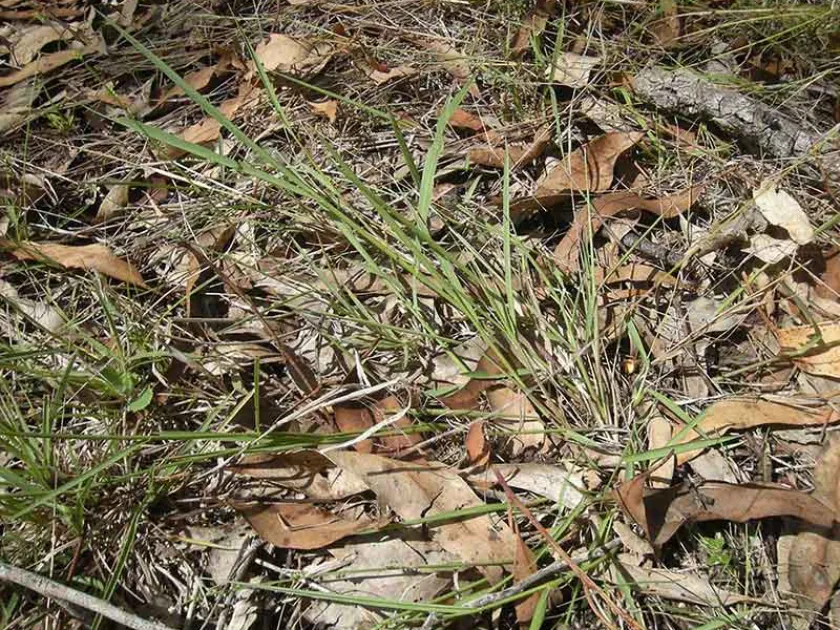
Description
Growing requirements
Desert paspalidium (Paspalidium desertorum) is a perennial grass species belonging to the Poaceae family. This crop is uniquely evolved to thrive in arid and semi-arid environments, serving as a critical component of natural vegetation in desert landscapes.
Originating from desert regions, this species is naturally adapted to high temperatures and irregular precipitation patterns. Its distribution is primarily limited to sandy and rocky soils where other traditional forage crops struggle to establish or survive the harsh climatic conditions.
The agronomic requirements of Paspalidium desertorum are centered on its need for well-drained soil and high solar radiation. Its deep, fibrous root system allows the plant to tap into deep soil moisture reserves, making it highly resilient to extended periods of drought common in its native range.
Botanically, it is recognized by its dense growth form, which helps protect the crown of the plant, and its specialized leaves that reduce transpiration. The plant produces resilient seeds that can remain dormant in the soil, ensuring propagation when moisture conditions are favorable.
In terms of agricultural utility, desert paspalidium is primarily used for rangeland improvement and erosion control. It provides essential forage for livestock in desert pastures and helps maintain soil stability in fragile ecosystems that are prone to wind and water erosion.
Main diseases and pests
The primary threat to the longevity of this crop is overgrazing by livestock. If grazing intensity exceeds the plant's capacity for leaf biomass recovery, the individual plants may weaken, leading to long-term decline in the productivity of the pasture area.
In terms of plant health, this species is generally resistant to many pathogens due to its specialized ecological niche. However, during unseasonably wet periods, it may be susceptible to fungal infections such as rusts. Monitoring for pests like locusts, which periodically migrate through desert regions, is also advised for management.