
Slender panicgrass
Paspalidium gracile
Description
Growing requirements
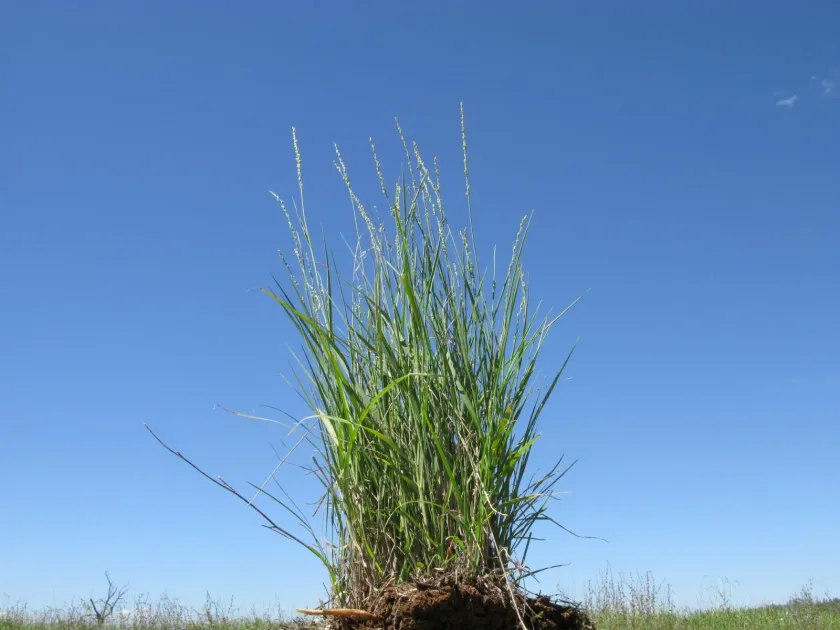
Slender panicgrass (Paspalidium gracile) is a perennial grass species belonging to the Poaceae family. Recognized for its resilience, it is considered a significant forage resource in arid and semi-arid agricultural landscapes, particularly in its native Australian habitats.
The species is well-adapted to extreme environmental conditions, thriving in regions with high temperatures and limited precipitation. Its ability to survive prolonged drought cycles makes it a preferred candidate for revegetation projects in degraded or saline-prone soils.
It prefers well-drained soil structures, ranging from sandy loams to heavier clays, provided they are not waterlogged. Its robust root system allows for efficient moisture extraction, enabling the plant to stay green and nutritious even when other forage species begin to wilt.
In terms of agricultural management, the plant forms thick tussocks that effectively stabilize the soil surface and protect it from wind and water erosion. It exhibits a rapid growth rate following rainfall events, which is crucial for seasonal livestock grazing cycles.
The primary economic use of slender panicgrass is as a high-quality forage crop for grazing cattle and sheep. Its nutritional profile, including moderate protein levels and good digestibility, supports livestock production in areas where standard pasture grasses struggle to survive.
Main diseases and pests
Like many Poaceae species, slender panicgrass is susceptible to various fungal pathogens, such as rusts and powdery mildew, particularly if humidity levels rise abnormally during the growing season. Proper management of canopy density is vital to maintaining airflow.
Insect pests, such as locusts and various lepidopteran larvae, can cause significant damage to foliage. Integrated pest management strategies, focusing on biological controls and appropriate stocking rates, are essential to minimize the economic impact of these threats.
Overgrazing is the most significant anthropogenic threat to the persistence of this grass. When grazed too severely, the plant's recovery capacity is hampered, leading to root decline and eventual mortality, which necessitates strict pasture rotation protocols.
To mitigate the risk of disease, producers should avoid excessive nitrogen applications that promote overly succulent growth, as this often attracts pests and increases susceptibility to fungal infections. Monitoring remains the most effective tool in maintaining healthy stands.
The overall resilience of the species is high, provided that the grazing frequency does not exceed the plant's ability to regenerate its photosynthetic surface. Maintaining a healthy stand is the best natural defense against invasive weeds and biotic stresses.