
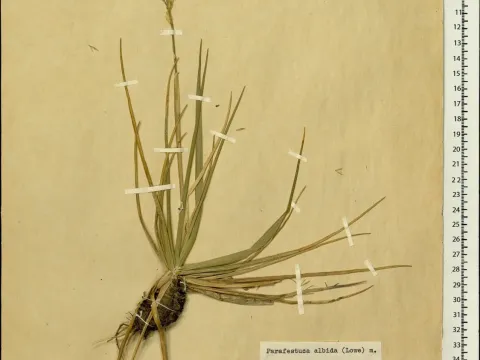
Parafestuca
Parafestuca
Parafestuca is a specialized genus belonging to the Poaceae family. This perennial grass is valued for its resilience and ability to provide stable biomass in various environmental conditions.
What the section contains

Parafestuca
The optimal sowing time for Parafestuca is in early spring when the soil reaches a sufficient temperature, typically between 5 and 10 degrees Celsius, allowing for vigorous early growth.
Proper seedbed preparation is essential to ensure high emergence rates. The soil should be finely pulverized and compacted after sowing to improve moisture retention around the seeds.
Sowing depth should be kept shallow, preferably between 1 and 2 centimeters, to allow the small seeds to establish quickly without exhausting their internal energy reserves.
If sowing is planned for autumn, it should be done well in advance of the first frost to allow the seedlings to establish a strong root system before the dormant winter season.
Parafestuca thrives in well-drained soils with a moderate to high level of fertility. It prefers loamy or sandy loam textures that prevent water stagnation while retaining essential nutrients.
The crop is known for its cold hardiness, making it suitable for temperate regions where winter temperatures can drop significantly without causing damage to the perennial rootstock.
Sunlight exposure is crucial for the optimal development of Parafestuca. Plants grown in shaded areas often exhibit reduced vigor and lower yields of green forage compared to those in open fields.
The grass shows high efficiency in nutrient uptake, particularly when phosphorus and potassium levels are balanced, which helps in developing a strong and extensive root architecture.
While the crop is relatively drought-tolerant once established, supplemental irrigation during prolonged dry spells can significantly increase biomass production and extend the grazing season.
The yield of Parafestuca is highly dependent on the nitrogen management strategy. Multiple cuts or grazing cycles can be achieved if the fertility of the soil is maintained throughout the season.
Early-season biomass is typically of higher nutritional value, characterized by better protein content and digestibility, making it an ideal forage for various types of livestock.
The total annual yield is maximized through a balance of moderate stocking rates and timely harvesting, which prevents the grass from becoming overly mature and lignified.
Under optimal management practices, including annual fertilizing and weed control, the stand density can remain high for several years, providing consistent forage yields.
Yield monitoring is recommended to determine the right time for renovation or reseeding, as productivity may gradually decline after 4 to 6 years of intensive exploitation.
Common pests affecting Parafestuca include grass aphids and stem borers, which can cause significant damage to the plant's vegetative parts during the peak growing season.
Fungal pathogens such as rust and leaf spot are prevalent in areas with high humidity and poor air circulation, necessitating the use of disease-resistant varieties where possible.
Root rot diseases may develop in poorly drained or compacted soil, leading to patches of dead or stunted grass within the field, which requires immediate corrective drainage measures.
Integrated pest management (IPM) strategies, including mechanical controls and careful timing of harvest, are often effective in reducing the reliance on chemical pesticides.
Monitoring the fields for early signs of disease and pest infestation is crucial for protecting the stand and maintaining the quality of the fodder produced.
Harvesting Parafestuca for hay or silage should occur before the plants reach the full flowering stage to ensure the highest energy density and palatability for livestock.
Proper drying is required when producing hay to prevent the development of mold, which can produce mycotoxins that are harmful to animals consuming the feed.
For grazing systems, managed rotation is recommended to allow the grass sufficient time to recover between grazing periods, which supports longevity and productivity of the sward.
Equipment height should be adjusted to avoid cutting too low, as this can damage the crown of the plant and delay regrowth following the harvest cycle.
After the final harvest of the season, it is advisable to leave a sufficient residual stubble height to help the plant accumulate energy reserves for successful overwintering.