
Paspalidium jubiflorum
Paspalidium jubiflorum
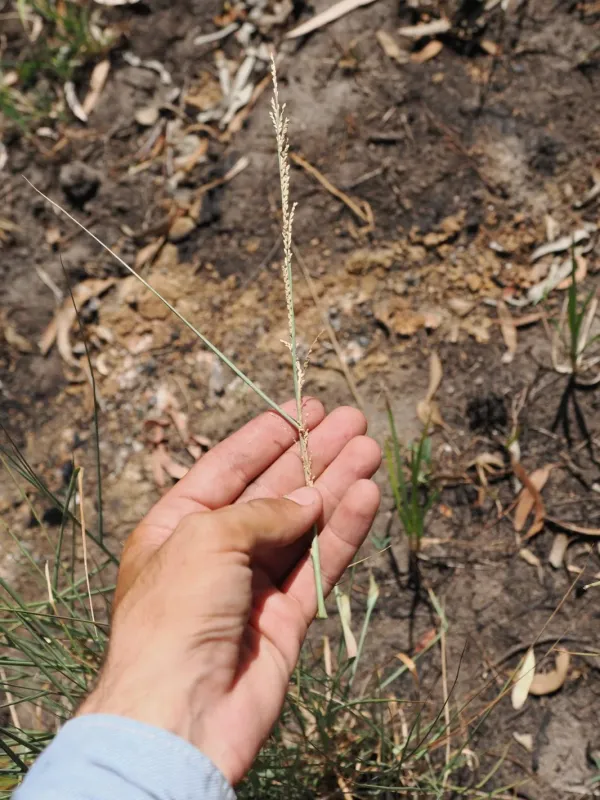
Description
Sowing dates
Paspalidium jubiflorum is a perennial grass species belonging to the Poaceae family. It is typically propagated through seeds, which require specific conditions of temperature and soil moisture to achieve successful germination.
Sowing should ideally occur during the warmer months when soil temperatures are conducive to rapid root establishment. Shallow planting, usually at a depth of 1–2 cm, ensures that the seeds are in close proximity to the moisture-holding surface of the soil.
When establishing new pastures, seed bed preparation is critical. Ensuring a firm and level surface helps in uniform seed distribution and prevents deep burial, which can inhibit the emergence of delicate seedlings.
The grass is capable of spreading through its vigorous root system, which aids in covering bare patches over time. Proper seeding density is essential to prevent overcrowding, which could lead to resource competition among individual plants during the early stages.
Using high-quality, viable seeds is recommended for commercial plantings. In some cases, seed dormancy may be present, which can be mitigated through pre-sowing treatments such as scarification to improve overall germination rates.
Growing requirements
This grass species is well-adapted to subtropical and tropical environments. Paspalidium jubiflorum shows significant tolerance to periodic waterlogging, making it a valuable species for low-lying areas or flood-prone paddocks.
It thrives in a variety of soil types, though it shows a preference for heavy clay soils that have excellent moisture-retention properties. It is also noted for its ability to grow in soils with moderate levels of salinity.
Temperature is a key factor in the growth cycle of this species. As a warm-season grass, it experiences peak biomass production during periods of high temperature, provided that water is not the limiting factor for its metabolism.
Light exposure is essential for the plant's photosynthetic efficiency. Full sun is required for optimal growth; excessive shading can lead to reduced vigour and lower overall biomass production throughout the growing season.
While relatively undemanding, the plant responds well to soil fertility management. Strategic application of fertilizers, particularly nitrogen, during the onset of the growing season can significantly boost the production of green fodder.
Yield
Paspalidium jubiflorum is highly valued for its role as a pasture grass. Its ability to regrow after grazing makes it a sustainable choice for livestock management, provided that stocking rates are appropriately managed.
The nutritional profile of the plant is generally good for livestock. It provides a reliable source of fiber and moderate protein levels, which are essential for the maintenance and growth of cattle and sheep in pastoral regions.
Harvesting for fodder or silage should be timed to coincide with the pre-flowering stage to maximize the nutrient density of the material. Waiting until seed maturity can lead to a decrease in digestibility and forage quality.
In irrigation-fed environments, the yields of this grass can be exceptionally high compared to dryland conditions. This adaptability allows farmers to stabilize their feed supply during seasonal dry spells.
As a long-lived perennial, this species provides years of consistent pasture productivity. Its capacity to remain in the landscape through varying climate conditions ensures a baseline of feed availability for grazing livestock.
Main diseases and pests
The species generally possesses strong natural resistance to many common grass diseases. However, under conditions of prolonged high humidity, fungal leaf diseases can occasionally emerge, impacting the photosynthetic capacity of the plants.
Insect pests, including grasshoppers and certain lepidopteran larvae, may consume the foliage. While these pests rarely threaten the entire stand, significant localized damage can occur if populations are not monitored.
Root rot represents a potential threat if the soil remains waterlogged for extended periods without adequate aeration. Ensuring proper drainage in the paddocks is the most effective preventative measure against such issues.
Competition from invasive weeds during the early establishment phase is a significant risk factor. Mechanical weed control or the strategic use of selective herbicides may be necessary to protect the stand until it is fully established.
Overgrazing poses the greatest long-term threat to the health of the stand. Continuous high-intensity grazing depletes carbohydrate reserves in the roots, eventually leading to plant mortality and soil degradation if not addressed.