
Paspalidium caespitosum
Paspalidium caespitosum
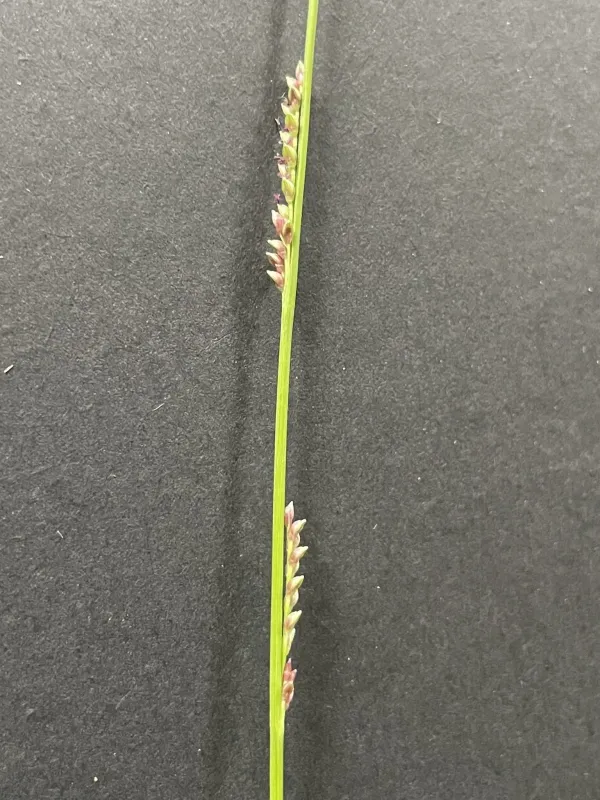
Description
Growing requirements
Paspalidium caespitosum is a perennial grass species belonging to the Poaceae family. Known for its tufted growth habit, this species is highly regarded for its ability to persist in semi-arid environments and its role in protecting soil from wind and water erosion.
The plant typically originates from tropical and subtropical regions, where it thrives in well-drained soils. Its ability to tolerate dry spells makes it a valuable species for ecological restoration projects and sustainable pasture management in challenging climates.
Botanically, it features a dense root system and strong tillering capacity, allowing it to recover quickly after intensive grazing or mechanical harvesting. The leaves are relatively narrow and are well-adapted to high light intensity and high thermal regimes.
In terms of soil requirements, it performs best in loose, sandy-textured soils, though it shows remarkable versatility. It does not require high levels of soil fertility, but productivity is significantly boosted by proper mineral management, specifically nitrogen application.
This grass is widely recognized for its resilience, maintaining high biomass production even when temperature stress limits the growth of other competitive species. Its ecological plasticity ensures stability in diverse pasture compositions.
Harvesting
The main agricultural use of Paspalidium caespitosum is as forage for livestock. It is often integrated into grazing systems where its durability allows for sustained utilization without compromising the longevity of the stand.
For hay production, the harvest should be timed before the onset of full flowering to maximize nutritional value. Efficient pasture management should focus on rotational grazing to ensure the plant's health and prevent overgrazing, which could potentially weaken the root system.