
Mibora minima
Mibora minima
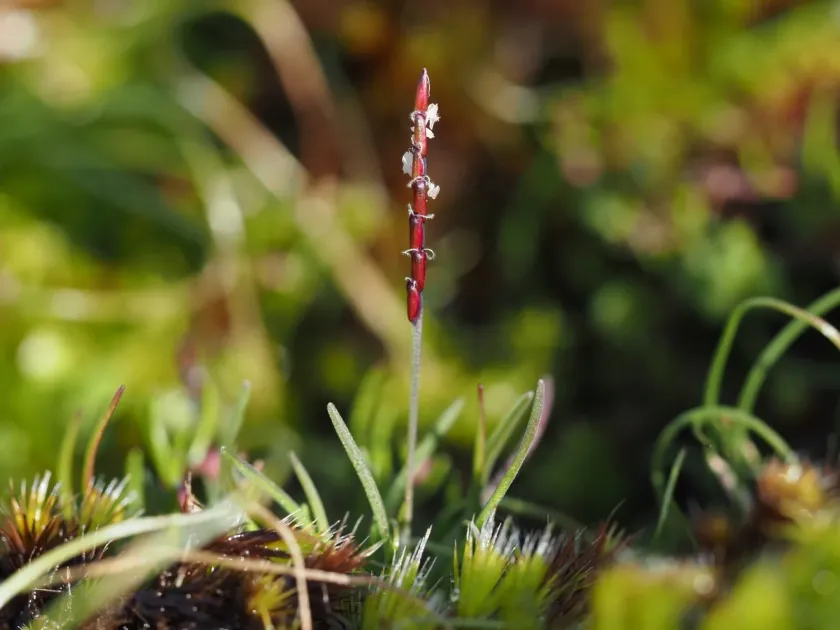
Description
Sowing dates
Mibora minima is classified as an ephemeral grass, typically behaving as a winter annual. In regions with temperate climates, sowing is performed in the autumn, allowing seeds to undergo the necessary vernalization to germinate in early spring.
When cultivating this species, achieving optimal seeding density is critical due to the plant's small, tufted growth habit. Surface broadcasting followed by light harrowing or rolling is preferred over deep burial because of the minute size of the caryopses.
Fields must be meticulously leveled before sowing, as small-seeded species are highly sensitive to micro-topography. Proper contact between the seed and the soil moisture is essential for ensuring rapid and uniform germination across the field.
Given sufficient soil moisture, seedlings emerge quickly, establishing a dense sward within a short vegetative window. The crop completes its lifecycle rapidly, ensuring maturity before the onset of extreme summer heat.
Weed control during the early stages of development is paramount. Mibora minima performs best in environments where competition from perennial rhizomatous weeds is minimized through pre-plant soil preparation.
Growing requirements
This crop thrives in specific soil conditions, favoring light sandy or sandy loam textures. It is notably resilient in nutrient-poor soils where more demanding grass species would struggle to establish or compete effectively.
Mibora minima is an obligate heliophyte, requiring full sun exposure for vigorous growth. It is intolerant of shading from larger vegetation, making open areas the most suitable environment for its cultivation.
Water requirements are moderate; however, consistent moisture during the spring growth phase is vital. The plant’s ephemeral strategy allows it to evade seasonal drought by completing reproduction before soil moisture levels decline significantly.
Optimal germination occurs under cool spring temperatures. The species is highly adapted to these temperate conditions and exhibits a robust response to the typical fluctuating weather of the early spring season.
The ideal soil pH ranges from neutral to slightly acidic. The crop is sensitive to soil salinity, which can negatively impact overall biomass production and the density of the established plant population.
Main diseases and pests
The primary threats to crop health are fungal diseases, which can become prevalent during periods of prolonged high humidity and mild temperatures in the spring. Rusts and powdery mildew are the most common pathogens.
Insect pests, specifically cereal flies, may cause damage to young sprouts, leading to gaps in the crop stand. Regular monitoring is essential to detect early infestations and implement necessary mitigation strategies.
Nematodes can affect the root systems in sandy soils, particularly in monoculture scenarios. Crop rotation is highly recommended as a preventive measure to reduce the buildup of soil-borne pests and pathogens.
Aphids can colonize the plants during the heading phase, potentially reducing seed quality and plant vigor. Integrated pest management (IPM) practices are encouraged to maintain populations below economic thresholds.
Physical suppression by more vigorous, taller grass species remains the most significant factor limiting the natural success of Mibora minima in competitive environments.
Harvesting
Harvesting Mibora minima requires high precision due to the extremely small seed size and the tendency of seeds to shatter if left too long in the field. Optimal timing occurs when the vegetative parts transition to a yellow-brown color.
Mechanical harvesting is possible using specialized combines equipped with fine-mesh screens to accommodate the small seeds. A two-stage harvest method, including swathing, is often used to ensure uniform maturation.
For ecological restoration or landscape projects, harvesting may be done manually or by collecting the topsoil and seed bank together. This technique preserves the local provenance of the population for future self-seeding.
Moisture monitoring of the harvested material is essential to prevent fungal growth during storage. Properly dried seeds maintain their viability for extended periods, even under ambient conditions.
Industrial seed production is generally limited, as the crop is primarily sought for niche applications such as ecological reclamation, soil stabilization, and specialized landscape restoration projects.