
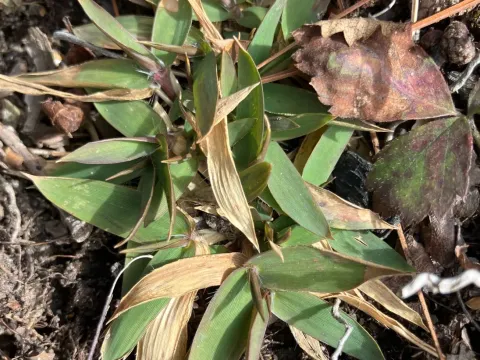
Millet
Dichanthelium
Millet sowing begins when the soil temperature at the seeding depth consistently reaches 12-15°C. Typically, this occurs in the second half of May, once the risk of night frosts has completely passed.
What the section contains


Millet
Choosing the correct sowing window is critical because millet seedlings are highly sensitive to low temperatures. Early sowing often leads to delayed germination and increased weed competition.
The seeding depth depends on soil moisture and texture. In sandy or light soils, seeds are placed at a depth of 5-6 cm, whereas in heavier or moist soils, 3-4 cm is sufficient for optimal development.
The seeding rate ranges between 3 to 5 million viable seeds per hectare. Precision planting ensures uniform stand density, which is essential for minimizing inter-plant competition and maximizing light interception.
Post-sowing soil compaction is an essential agronomic practice. Rolling the soil improves capillary water movement to the seeds, resulting in more rapid and uniform emergence across the entire field.
Millet is a member of the Poaceae family and is one of the most drought-tolerant and heat-resistant cereal crops. It thrives in arid conditions by regulating transpiration and utilizing its deep root system efficiently.
The crop has a high demand for light as it is a long-day plant. Insufficient sunlight during the vegetative stage results in elongated stems and a significant reduction in grain-filling potential.
Fertile chernozems and chestnut soils are ideal for millet production. The crop is intolerant of acidic, waterlogged, or heavily saline soils, which can severely stunt growth and development.
Millet is highly efficient at extracting nutrients from the soil, but it responds well to nitrogen and phosphorus fertilization. Application during the stem-elongation phase produces the best results.
Agricultural uses include human consumption (millet flour and porridge), livestock feed (silage and grain), and its role as a reliable catch crop for replacing failed winter crops.
Millet yields vary significantly based on climate and management. Under irrigation, yields can reach 4-5 tonnes per hectare, while dryland farming typically produces between 1.5 and 2.5 tonnes per hectare.
Weed control is the most significant factor affecting yield, particularly during the first three weeks post-emergence. During this period, millet grows slowly and is easily overshadowed by aggressive weeds.
Crop rotation is vital for long-term productivity. Legumes are considered the best precursors for millet, helping to improve soil structure and nitrogen content before the crop is sown.
Maintaining optimal plant density prevents lodging and ensures uniform panicle ripening. Overly dense stands increase humidity within the canopy, creating a favorable environment for fungal diseases.
Modern breeding focuses on producing large, uniform grains with a low husk percentage. These varieties are highly valued by the food processing industry for their high milling recovery.
Smut is the most destructive disease in millet, capable of causing substantial harvest losses. Seed treatment with systemic fungicides before sowing is the primary preventive measure recommended by agronomists.
Bacterial diseases and leaf spots are common in humid years, potentially reducing photosynthetic capacity. Integrated pest management (IPM) strategies, including fungicide application, are necessary in high-risk areas.
The millet midge and the European corn borer are the most significant insect pests. The midge larvae feed on developing panicles, directly reducing grain weight and quality.
Effective pest management relies on monitoring insect populations and applying insecticides during peak infestation periods. Careful timing is required to avoid damaging the crop or leaving chemical residues.
- Smut (Loose and Covered).
- Bacterial blight.
- Millet midge.
- Striped flea beetles.
- European corn borer.
Harvesting millet is challenging due to the asynchronous ripening of the panicles. The grain at the top of the panicle matures earlier than the bottom, requiring careful observation of the moisture content.
Swathing is often the preferred method of harvesting. Cutting the crop into windrows allows the grain to ripen uniformly through the translocation of nutrients from the stem, reducing harvest losses.
Direct combining is reserved for fields with low weed pressure and short-statured varieties. This method requires immediate action once the grain reaches full maturity to prevent losses from shattering.
Proper adjustment of the combine's threshing drum is critical to avoid grain cracking and loss of quality. Operators must balance cylinder speed and concave clearance based on the crop's moisture content.
After harvesting, grain must be cleaned and dried to reach a moisture level of 13-14%. Proper storage in well-ventilated, dry facilities is essential to prevent heating and fungal spoilage.