
Echinopogon intermedius
Echinopogon intermedius
Description
Growing requirements
Echinopogon intermedius belongs to the Poaceae family, a significant group of monocotyledonous flowering plants. This perennial grass species is primarily native to Australia, where it is found in diverse habitats ranging from grasslands to open forests.
The plant thrives in well-drained soil types, demonstrating high plasticity regarding soil fertility levels. It is capable of establishing itself in various environments, showing a preference for sites that receive adequate light, although it tolerates partial shade well.
Regarding climate, the species is adapted to temperate and subtropical conditions. It exhibits moderate drought tolerance, which is a key survival strategy in its native Australian landscape, where rainfall can be highly seasonal and unpredictable.
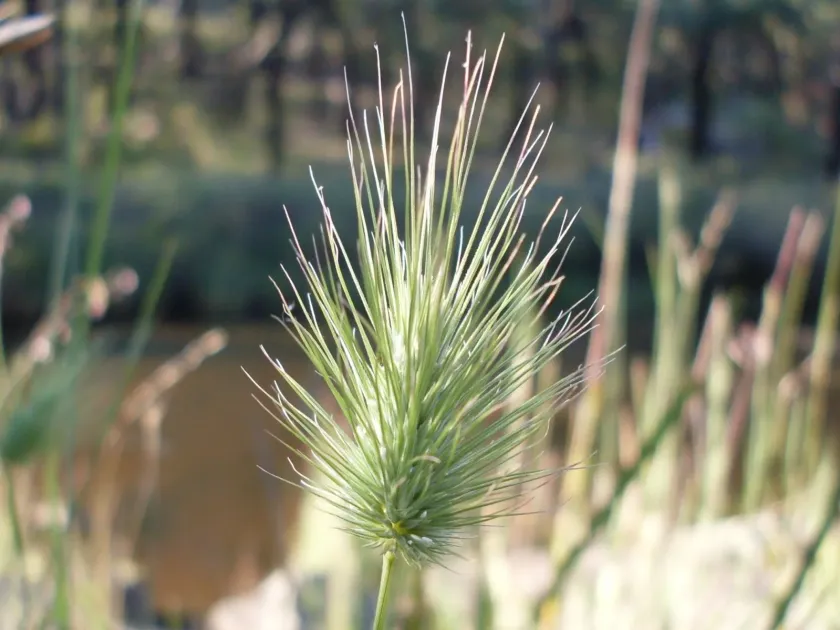
Botanically, Echinopogon intermedius is characterized by its tufted growth habit and distinct inflorescences featuring stiff, bristly awns. These morphological traits are adaptations to its specific ecological niche and reproductive strategies.
In an agricultural context, this species serves as a source of biomass for grazing livestock. It is considered a functional part of the natural pasture ecosystem, contributing to the overall dietary intake of herbivores within its distribution range.
Main diseases and pests
Like many species within the Poaceae family, Echinopogon intermedius can be susceptible to various fungal pathogens, particularly under conditions of high humidity. Diseases such as rust or mildew can affect foliage quality, reducing its palatability and nutritional value.
Pest populations that target grasses, including various lepidopteran larvae and soil-dwelling insects, can impact the vigor of the plant. Maintaining balanced ecosystem health is essential to mitigate the pressure from these natural stressors.