
Echinopogon nutans
Echinopogon nutans
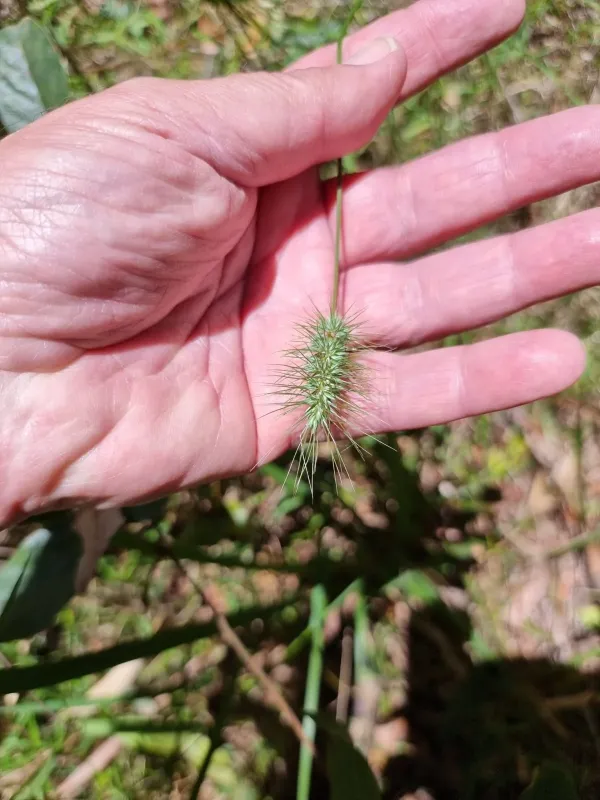
Description
Sowing dates
Sowing Echinopogon nutans requires careful seedbed preparation as the fine seeds need close contact with moist soil to germinate successfully.
The ideal planting period is early spring, allowing the soil to warm up while ensuring sufficient moisture is available for the emerging seedlings.
Seed depth should be kept shallow, ideally between 1 and 2 centimeters, to prevent the seedlings from exhausting their energy reserves before emerging.
Uniform distribution during planting is essential to create a consistent plant stand and minimize competition between individual plants.
Rolling the field after sowing is a common practice that improves soil-to-seed contact and significantly enhances the rate of germination.
Growing requirements
Echinopogon nutans belongs to the Poaceae family and is native to Australian ecosystems, adapted to varying environmental conditions.
The crop thrives in well-drained, fertile soils with a neutral pH, and it is sensitive to waterlogged conditions that can damage its root system.
While the plant shows good resilience, it performs best in temperate climates with access to consistent sunlight and moderate rainfall.
Soil aeration is a key requirement for the vigorous growth of this grass, as compact soils can stunt the development of its perennial roots.
In terms of light, Echinopogon nutans requires open, sunny environments, as shaded areas can lead to structural weakness and lower overall biomass production.
Yield
Yield potential is highly dependent on effective management, including strategic fertilization and the maintenance of soil moisture throughout the growth cycle.
As a forage crop, it provides a stable source of high-quality green biomass that maintains nutritional value across the growing season.
Productivity typically peaks by the second or third year as the plants become fully established and fill the pasture gaps effectively.
Regular monitoring of plant development allows for the optimization of cutting intervals, ensuring maximum dry matter production for livestock use.
Fertilizer application, particularly in the vegetative stage, can significantly boost yield output and improve the protein density of the harvested forage.
Main diseases and pests
The primary threats to this grass include fungal infections, such as powdery mildew, which often flourish in conditions of high humidity and poor air circulation.
Common agricultural pests, including aphids and various grass-feeding flies, can impact leaf health during the early phases of plant development.
Weed management is critical, especially in the establishment year, as Echinopogon nutans faces significant competition from fast-growing pioneer species.
Improper drainage management can lead to root rot, which reduces the plant's ability to absorb water and nutrients effectively.
Integrated pest management strategies are recommended to maintain crop health and prevent yield losses caused by regional pathogens.
Harvesting
Harvesting for forage should occur during the flowering stage, which ensures the best balance between digestible protein content and total biomass yield.
Proper cutting height is vital for survival and regrowth, as cutting too low can deplete the energy stored in the crown, slowing down subsequent recovery.
The use of professional machinery allows for rapid harvest, which is essential to prevent nutrient degradation caused by environmental exposure after cutting.
Post-harvest management involves proper drying and storage techniques to maintain the nutritional integrity of the hay for future feeding.
Seed harvesting should be performed when the panicles reach full maturity to maximize yield and ensure high germination rates for future planting seasons.