
Dichelachne micrantha
Dichelachne micrantha
Description
Growing requirements
Dichelachne micrantha is a perennial grass species belonging to the Poaceae family. Native to Australia and New Zealand, it is a hardy plant known for its ability to adapt to a variety of environmental conditions within its natural range.
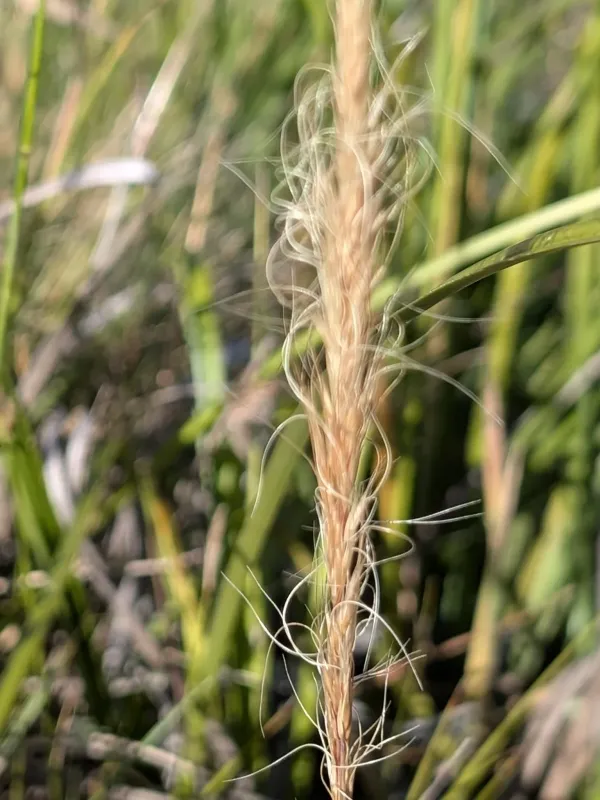
The plant grows in dense tufts and features slender, linear leaves that typically measure several centimeters in length. Its inflorescence is characterized by a narrow, delicate panicle, which gives the plant its graceful appearance during the flowering stage.
This grass thrives best in well-drained, fertile soil, though it is quite resilient and capable of growing in various soil types, ranging from sandy loams to heavier clay soils if they provide sufficient aeration.
In terms of climate, it prefers temperate and subtropical conditions. While it exhibits good drought tolerance, it performs optimally when exposed to consistent, moderate rainfall during its active growth phases in spring and autumn.
It is primarily utilized as a forage grass in managed pastures. Its value lies in its high nutritional content and its resilience under grazing pressure, making it an excellent candidate for improving pasture quality in its native distribution areas.
Main diseases and pests
While generally robust, Dichelachne micrantha can be susceptible to various fungal diseases, such as leaf rust, especially when humidity levels remain consistently high during the growing season.
Pest issues often include infestations by aphids, which suck sap from the foliage. Severe aphid pressure can weaken the plants and lead to a significant reduction in overall biomass production if not addressed.
Soil-dwelling insects, such as scarab beetle larvae, represent another major threat, as they feed on the root systems, which can lead to thinning patches and reduced stand longevity in pasture settings.
To maintain a healthy stand, it is essential to monitor the field for signs of chlorosis or stunted growth, which may indicate nutrient deficiencies or secondary infections caused by root damage.
Integrated pest management, including balanced fertilization and controlled grazing intervals, is recommended to prevent the buildup of pathogens and maintain the vigor of the grass stand.