
Plume grass
Dichelachne crinita
Description
Sowing dates
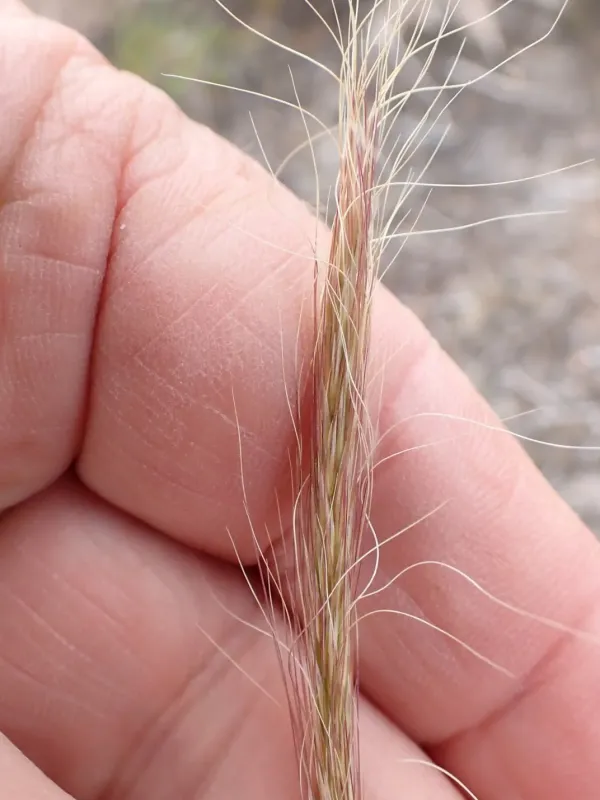
Dichelachne crinita, commonly known as plume grass, is a perennial grass species belonging to the Poaceae family, widely recognized for its graceful appearance and ecological adaptability.
In agricultural practice, the seeds are typically sown in early spring or autumn to take advantage of mild temperatures and adequate soil moisture for germination.
Seeds should be lightly covered with soil or incorporated into the upper surface, as they require minimal depth to establish a strong root system during the initial stages.
This grass is known for its relatively stable establishment rate, although it benefits significantly from a weed-free seedbed to avoid early-stage competition.
The spacing between rows is determined by the specific use case, whether the goal is to establish a dense forage stand or an aesthetically pleasing ornamental cluster.
Growing requirements
Native to Australia and New Zealand, this species thrives in a variety of environmental settings, demonstrating high resilience to different climatic conditions.
It prefers well-drained soil but shows remarkable adaptability to various soil textures, ranging from sandy loams to heavier clays common in many regions.
The plant is considered moderately drought-tolerant, which makes it a sustainable choice for landscapes or fields with limited access to intensive irrigation systems.
Plume grass performs best in full sunlight but can also tolerate partial shade, maintaining its structure and health in diverse lighting conditions.
Soil pH requirements are flexible, though a slightly acidic to neutral range provides the most efficient nutrient uptake for healthy leaf development.
Main diseases and pests
Dichelachne crinita is generally robust and less susceptible to major crop diseases compared to more delicate forage species, which reduces chemical dependency.
However, excessive humidity can encourage fungal issues such as leaf rust or mildew, particularly in areas with poor airflow and slow-drying soil surfaces.
Pest pressures are generally manageable, with occasional concerns regarding sap-sucking insects or root-feeding larvae during extended dry seasons.
Effective management includes maintaining appropriate planting densities and ensuring adequate drainage to mitigate the risk of pathogen accumulation.
- Regular site inspection for early disease detection.
- Avoidance of over-fertilization with nitrogen, which can attract pests.
- Implementation of annual mowing to prevent thatch buildup.
Harvesting
This species serves multiple purposes, primarily as a resilient component of pasture mixtures, providing reliable nutritional value for livestock grazing.
The harvesting of seed crops requires careful timing to ensure the plumes are mature enough to be collected while minimizing shattering losses in the field.
For ornamental or reclamation purposes, the grass is often left to stand through winter, with pruning performed in early spring to encourage fresh, vigorous growth.
Mechanical harvesting of biomass should be aligned with the plant's vegetative cycle to maximize the recovery rate of the pasture after cutting.
Proper post-harvest handling, including rapid drying of seeds, is crucial to maintain high germination rates for future planting seasons.