
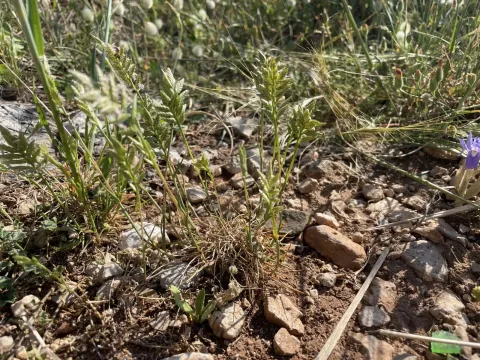
Desmazeria
Desmazeria
Desmazeria belongs to the Poaceae (grass) family, characterized by its distinctive inflorescences and slender foliage. These plants are primarily native to the Mediterranean region, adapted to thrive in coastal or arid environments.
What the section contains


Desmazeria
The primary requirement for Desmazeria is a location with full sun exposure. Adequate light is essential for the plant to maintain its structural integrity and reach its full aesthetic potential in a garden setting.
Soil quality is paramount, requiring excellent drainage. Desmazeria performs best in sandy or rocky soils, as it is highly susceptible to root damage if the root zone becomes waterlogged for any extended period.
Regarding climate, these grasses prefer temperate conditions and are not typically frost-hardy. In regions with freezing winters, they should either be grown as annuals or protected extensively to ensure their survival through the colder months.
Agricultural management should focus on low-maintenance practices. Since they are adapted to poor soils, excessive fertilization is counterproductive, as it encourages weak, sprawling growth instead of the desired compact, upright form.
Root rot is the most significant threat to Desmazeria, typically induced by poor drainage or excessive irrigation. Implementing a strict watering schedule and ensuring porous soil conditions are the best ways to mitigate this risk.
Spider mites are a common pest during hot and dry summer months. They thrive in dry air, so maintaining appropriate humidity levels or applying specific miticides can help keep infestations under control.
Powdery mildew may occur if the plants are placed in stagnant air or densely packed conditions. This fungal infection creates a white coating on the leaves, which hinders photosynthesis and weakens the plant over time.
Aphids can also pose a problem by feeding on young stems and shoots. Early detection is key, as aphids multiply rapidly and can quickly compromise the vitality of the grass during the active growing season.
Preventative care is essential for long-term plant health. By providing enough spacing between individual plants, gardeners can ensure proper air circulation, which naturally inhibits the spread of most fungal and bacterial threats.