
Dense silkybent
Apera interrupta
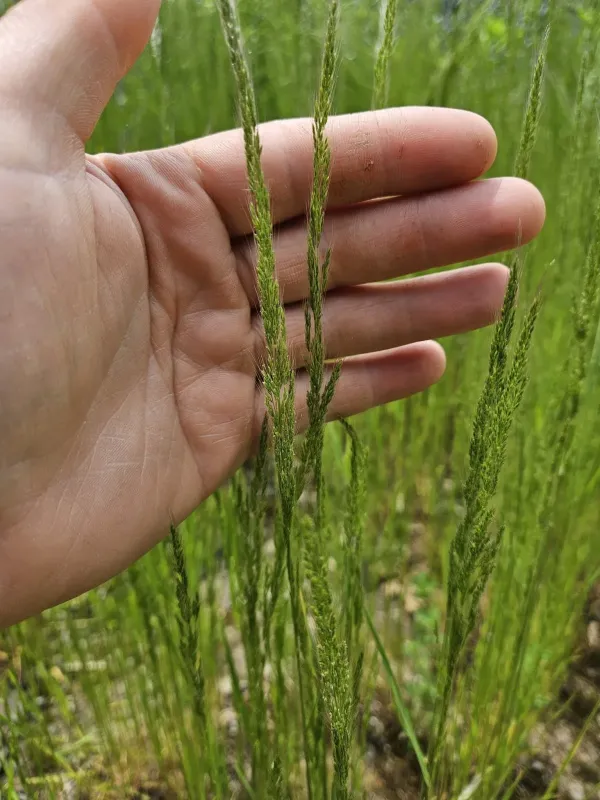
Description
Growing requirements
Dense silkybent, or Apera interrupta, is an annual grass species belonging to the Poaceae family. It is predominantly recognized in agricultural science as a weed that thrives in light, sandy, and well-drained soil types, often causing yield losses in arable fields.
The plant is native to Europe and Western Asia, though it has successfully expanded its range into various regions of North America. It is typically found in dry grasslands, open fields, and especially in winter cereal crops where it competes for light and space.
Botanically, it is characterized by its slender, erect stems reaching up to 50 centimeters and a distinctively interrupted panicle inflorescence. Its root system is fibrous and relatively shallow, allowing it to rapidly absorb surface moisture after light rainfall.
Regarding climate and soil, Apera interrupta prefers temperate climates with moderate rainfall but displays remarkable drought tolerance. It is well-adapted to impoverished soils where other crops might struggle to establish, giving it a competitive advantage as a pioneer species.
The agricultural importance of this plant is strictly negative due to its status as a persistent weed. It aggressively colonizes fields, and because its seeds are small and easily dispersed by wind and machinery, it is difficult to eradicate once it establishes a strong seed bank in the soil.
Main diseases and pests
While dense silkybent is not commonly decimated by specific diseases, it serves as a critical alternative host for various cereal pathogens. Fungal diseases such as rusts and smuts often utilize this plant to survive between planting seasons.
Insect pests commonly associated with cereal crops, such as aphids and frit flies, are frequently found on Apera interrupta. These insects can migrate from the weed to adjacent wheat or barley crops, posing a threat to total farm productivity.
Integrated weed management remains the most effective control strategy. This includes crop rotation to disrupt the plant's life cycle and the implementation of autumn herbicide applications to target young seedlings before they reach maturity.
Cultural control, such as deeper ploughing, can help bury seeds to a depth from which they cannot emerge, effectively reducing the weed population in the subsequent growing season.
Frequent monitoring of field borders is essential to prevent the spread of the plant into prime growing areas, as the wind-driven seeds can quickly re-infest treated fields from nearby unmanaged sites.