
Diarrhena
Diarrhena
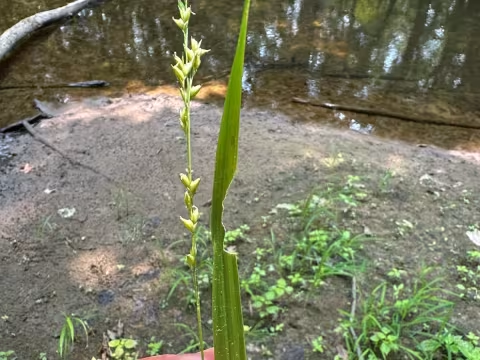
Diarrhena is a genus of perennial grasses belonging to the family Poaceae. These plants are typically found in forest habitats, exhibiting a natural preference for shaded environments and fertile, humus-rich soils.
What the section contains


Diarrhena
For successful cultivation, Diarrhena requires moist, well-drained soil conditions. Its most significant biological feature is its remarkable shade tolerance, allowing it to thrive in locations where most sun-loving grasses would struggle.
The climate requirements include temperate regions with stable moisture availability. The plant displays good winter hardiness, making it a reliable choice for perennial gardens in temperate zones.
Botanically, the plant is characterized by broad, lush leaves and elegant panicle inflorescences. It forms compact, spreading clumps, which provides an excellent ground cover effect in landscape design projects.
The primary use of Diarrhena is ornamental. It is highly valued in horticulture for its ability to provide structural interest and greenery in shaded areas of woodland gardens or under tree canopies.
As Diarrhena is not a major agricultural crop, it does not have a wide range of documented pests or diseases typical of cereal production. Most issues arise only under poor management practices.
Fungal diseases, such as leaf spot or powdery mildew, may occur if the plants are situated in areas with poor air circulation or excessive soil moisture. Proper spacing is essential to mitigate these risks.
In hot and dry conditions, spider mites can occasionally affect the foliage. Maintaining adequate soil moisture levels is the most effective preventative measure against such infestations.
Sanitation practices, such as clearing away dead leaf matter in early spring, help to reduce the survival of potential pathogens and encourage vigorous new growth for the upcoming season.
Overall, Diarrhena maintains high resistance to environmental stressors, requiring minimal chemical intervention when cultivated in an appropriate ecological niche.