
Sicilian sheepgrass
Desmazeria sicula
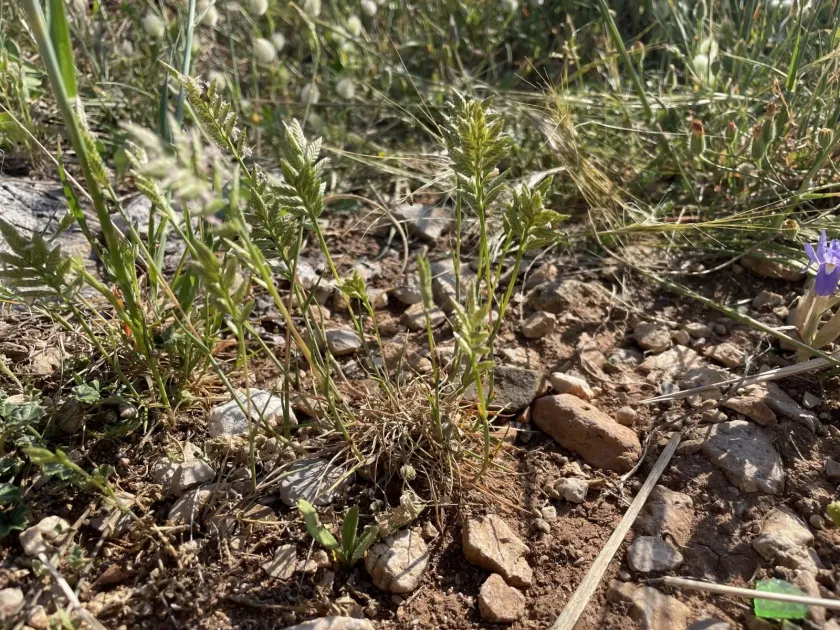
Description
Sowing dates
Sicilian sheepgrass, botanically known as Desmazeria sicula, is an annual grass species within the Poaceae family. Its biological cycle is tailored to Mediterranean climates, where it germinates quickly following the first autumn or spring rains.
In agricultural settings, sowing is best performed in early spring. The soil should be prepared to a fine tilth, as the seeds are relatively small and require shallow placement to ensure efficient germination and emergence.
The optimal seeding depth is approximately 1-2 centimeters. Covering the seeds with a light layer of soil helps maintain the necessary moisture levels while providing enough protection against wind and avian predators.
Adequate spacing is crucial to prevent seedling competition. Depending on the desired density of the stand, standard sowing rates are adjusted to allow each individual plant enough root space for optimal nutrient uptake.
The crop establishes itself rapidly. By controlling sowing time and ensuring a warm germination bed, growers can maximize the percentage of successful stands and minimize the impact of early-stage weeds.
Growing requirements
This grass is highly adapted to high solar radiation environments. It thrives in full sun exposure and is considered an excellent choice for areas with intense heat, where most conventional crops would struggle.
It prefers well-drained, sandy, or rocky soil types. It performs poorly in heavy clay or waterlogged soils, as the root system is highly sensitive to hypoxia caused by excess water accumulation.
One of the most notable features of Desmazeria sicula is its high drought tolerance. Its metabolic efficiency allows it to maintain biomass production even under prolonged water deficit conditions typical of Mediterranean summers.
While it is not demanding regarding nutrient availability, periodic application of balanced fertilizer can enhance yield quality. It favors neutral to slightly alkaline pH levels, typical of many limestone-based landscapes.
Climate requirements include mild winters and warm growing seasons. While it can withstand occasional frost, it is best suited for climates where temperatures do not stay below freezing for extended periods during the growing cycle.
Main diseases and pests
The primary threat to Sicilian sheepgrass is excess moisture, which can trigger fungal diseases, specifically those affecting the crown and roots. Proper drainage is the most effective management strategy.
Powdery mildew may occur in poorly ventilated or excessively dense stands. Ensuring sufficient air circulation between plants is a vital cultural practice to mitigate the risk of infection spread.
The species is generally robust and less attractive to common insect pests, largely due to the silicified structure of its leaves. However, general monitoring for aphids during the vegetative stage is advised.
Weed management is critical only in the initial 3-4 weeks. Once the crop reaches the tillering stage, it is highly competitive and effectively suppresses most encroaching weed species through root and shade dominance.
Avoiding crop rotation cycles that feature other highly susceptible grasses can help break the lifecycle of soil-borne pathogens. Maintaining crop rotation is essential for long-term health of the field.
Harvesting
Harvesting for seed production or decorative use should be timed when the panicles have reached full physiological maturity, indicated by a golden-straw color and increased tissue rigidity.
Mechanical harvesting requires specific adjustments to the combine settings to ensure the light seeds are not damaged or lost during the threshing process. Proper calibration is key to high-quality yields.
Post-harvest management involves immediate drying in well-ventilated areas to prevent seed degradation. Moisture content must be reduced significantly to ensure safe long-term storage without risk of mold.
For those interested in the plant's ornamental value, stems should be harvested before the seeds fully drop to maintain the structural integrity of the inflorescence for floral displays.
Final storage should be in cool, dry conditions with adequate protection against pests and humidity. Maintaining the purity of the seed lot requires regular inspection during the storage period.