
Mecardonia hybrid
Mecardonia hybrids
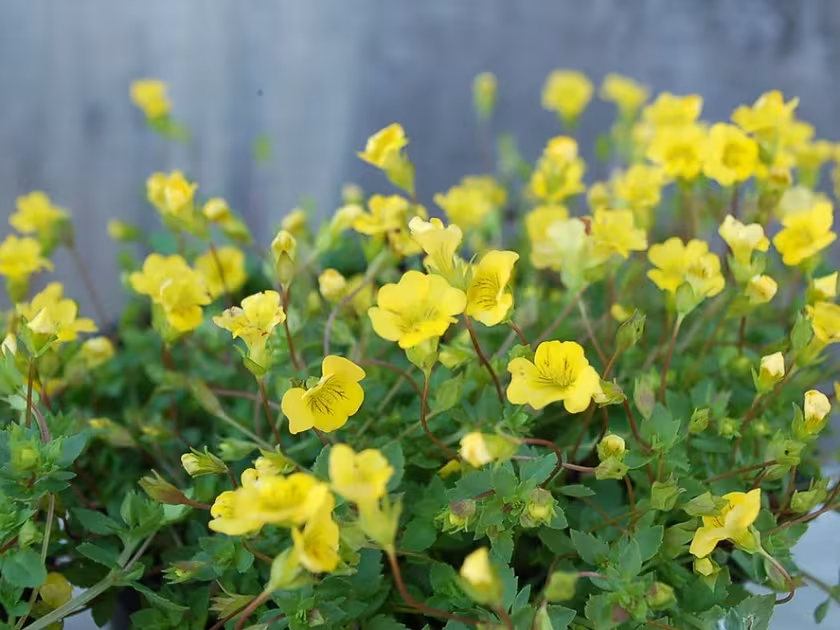
Description
Sowing dates
Mecardonia hybrid is a popular ornamental plant that is predominantly propagated through vegetative cuttings. For outdoor planting, it is best to wait until the danger of frost has completely passed and the soil has warmed up, typically in late spring.
If you prefer propagation from seeds, start the process indoors in late winter or early spring. The seeds are extremely tiny, so they should be sown on the surface of a moist substrate without being covered, as they require light to germinate effectively.
Maintain an ambient temperature between 20 and 24 degrees Celsius to ensure consistent germination. The growing medium must be light, airy, and well-draining to support the delicate root system of the developing seedlings during their early growth stages.
Prick out the seedlings once they develop two pairs of true leaves, transferring them into individual pots to encourage stronger root development. This preparation ensures that the young plants are robust enough to withstand the transplanting process into garden beds or hanging baskets.
Vegetative propagation via cuttings is highly efficient throughout the growing season. Use healthy, non-flowering shoots, and provide high humidity and protection from direct sunlight until the roots begin to establish themselves firmly in the new medium.
Growing requirements
Belonging to the Plantaginaceae family, the Mecardonia hybrid is a low-growing, spreading plant known for its vibrant yellow flowers. Native to warm climates, this plant thrives best when provided with high levels of solar exposure throughout the day.
Optimal growth occurs in full sun, where the plant produces the most flowers and maintains a compact, dense habit. In shaded environments, the stems may become leggy, and the overall flowering performance will be significantly reduced, diminishing its ornamental appeal.
The soil should be rich, well-draining, and consistently moist. While Mecardonia is relatively versatile, it does not tolerate waterlogged conditions, which can lead to root rot. Conversely, prolonged drought may stress the plant, causing wilting and stunted growth.
Regular fertilization with a balanced liquid fertilizer every two weeks will promote continuous blooming throughout the summer months. Avoid excessive nitrogen, which tends to encourage foliage growth at the expense of the characteristic yellow flowers that define the plant.
Mecardonia hybrid is an excellent choice for groundcover, edging, or spilling over the sides of containers and hanging baskets. It spreads steadily by rooting at the nodes, forming a lush mat that helps suppress weeds and provides a stunning color contrast.
Main diseases and pests
The most common issues associated with Mecardonia hybrid arise from poor environmental management, particularly regarding water control. Overwatering or poor soil drainage can lead to root rot and fungal infections, which can quickly devastate the root system.
Powdery mildew may occur if the plant is grown in areas with high humidity and stagnant air circulation. To prevent this, ensure that there is enough spacing between individual plants and prune back overcrowded areas to promote better airflow and light penetration.
Pests like aphids and spider mites can occasionally affect the plant, particularly in hot, dry conditions. Regular monitoring of the foliage, especially the undersides of the leaves, is crucial for catching early infestations before they spread across the entire planting area.
Preventative care involves maintaining high standards of hygiene, including the prompt removal of dead plant material and debris. Using sterilized soil mixes at the start of the season helps reduce the prevalence of soil-borne pathogens that could jeopardize the crop.
In case of pest outbreaks, use appropriate insecticides or horticultural soaps to treat the affected areas. It is recommended to perform these applications during the early morning or late evening to minimize the risk of phytotoxicity and protect visiting pollinators.