
Mecardonia vandellioides
Mecardonia vandellioides
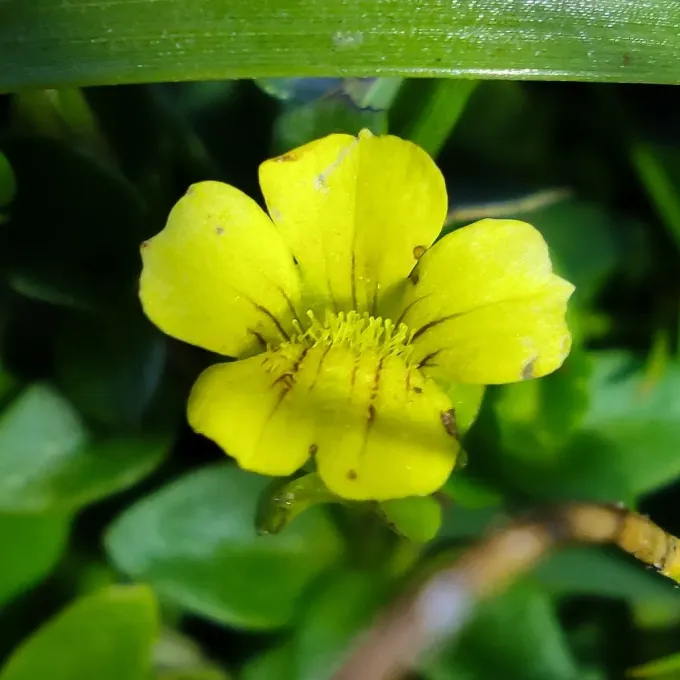
Description
Growing requirements
Mecardonia vandellioides is a perennial herbaceous plant belonging to the Plantaginaceae family. Known for its creeping growth habit, it is widely appreciated in landscaping for its ability to form dense, lush mats covered in vibrant yellow flowers throughout the growing season.
The plant originates from the tropical and subtropical regions of South America. Its natural habitat includes moist, sunny areas, which dictates its preference for specific environmental conditions when grown as a cultivated ornamental crop in gardens and pots.
For optimal health, this plant requires full sun exposure. While it can tolerate partial shade in hotter climates, a lack of sufficient light will significantly reduce the number of blossoms and lead to sparse, leggy stem development, diminishing its aesthetic value.
Soil requirements are focused on high organic content and excellent drainage capacity. It thrives in well-moistened, nutrient-rich substrates. The soil should remain consistently moist but never waterlogged, as poor aeration can lead to root system failure.
Agronomic management involves regular irrigation and a consistent fertilization schedule. Using a balanced liquid fertilizer every two weeks during the active blooming period is essential to maintain the energy required for the plant's continuous and prolific flower production.
Main diseases and pests
Common health threats include various fungal infections, particularly root rot, which typically occurs if the soil drainage is inadequate. Ensuring proper spacing between plants and good airflow can significantly mitigate these risks.
Pest management should focus on common greenhouse and garden pests, such as aphids, spider mites, and whiteflies. These insects can be controlled through regular scouting and the application of appropriate horticultural soaps or systemic insecticides when necessary.