
Mecardonia grandiflora
Mecardonia grandiflora
Description
Sowing dates
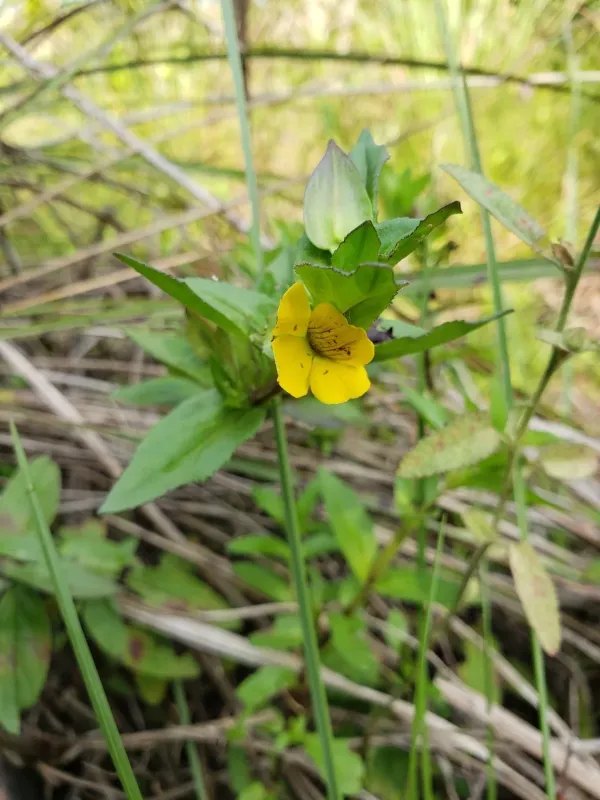
Mecardonia grandiflora is an elegant, trailing herbaceous plant belonging to the Plantaginaceae family, widely appreciated for its long-lasting, bright yellow blooms.
Seeds are typically sown indoors during late winter or early spring in a seed-starting mix to ensure sufficient time for the plants to establish before transplanting.
Since the seeds are extremely small and light-dependent, they should be sown on the surface of the growing medium and lightly pressed without being covered.
Maintaining a constant temperature between 20°C and 25°C is essential for uniform germination, which usually occurs within two weeks of sowing.
Acclimatizing the seedlings to outdoor conditions before final planting in the garden helps in reducing transplant shock and ensuring vigorous initial growth.
Growing requirements
This crop thrives in full sun exposure, which is necessary to maximize flower production and maintain a compact, low-spreading growth habit.
Well-draining, nutrient-rich soil is paramount for the health of the plant, as it helps prevent root rot in environments with high rainfall or heavy watering.
Consistent irrigation is vital because Mecardonia grandiflora is sensitive to drought, and drying out can quickly lead to leaf scorch and reduced flowering.
Regular applications of balanced water-soluble fertilizer throughout the growing season provide the energy needed for its intense and continuous bloom cycle.
In container culture, ensure that pots have adequate drainage holes to prevent water accumulation, which is the primary cause of plant failure.
Main diseases and pests
Mecardonia grandiflora is generally resilient, but poor environmental management often leads to susceptibility to specific diseases and pests.
Root rot caused by overwatering or poor soil drainage remains the most significant threat to the overall survival of the plant in a landscape setting.
Pests such as aphids and spider mites can infest the foliage, particularly during extended periods of heat and low humidity levels.
Monitoring for signs of wilting or discolored foliage is important, as these are often the first indicators of soil-borne pathogens or pest pressure.
Cultural control measures, such as proper spacing for air circulation and avoiding overhead watering, are highly effective in mitigating most common plant threats.