
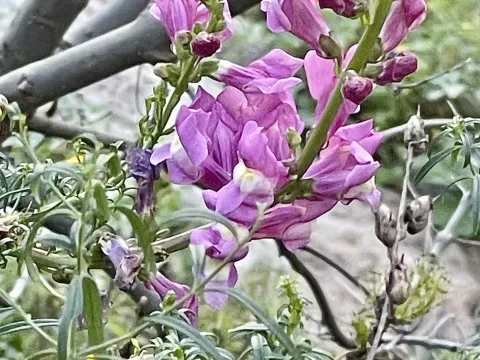
Snapdragon
Antirrhinum L.
Snapdragon (Antirrhinum L.) is a popular herbaceous plant belonging to the Plantaginaceae family. It is widely cultivated for its unique, multi-colored flower spikes and extended blooming period.
What the section contains


Snapdragon
The seeds are tiny and require specific handling during sowing. It is recommended to sow them indoors in late winter, roughly 8 to 10 weeks before the last expected spring frost date.
Surface sowing is mandatory because the seeds need light to germinate efficiently. Press the seeds gently into the damp soil medium but do not cover them with heavy layers of soil or compost.
Germination usually takes about two weeks when kept at a consistent temperature of 20°C. Once the seedlings develop their first true leaves, they should be transplanted into individual pots.
Hardening off the seedlings is a critical step before moving them outdoors. Gradually expose the plants to outdoor conditions over a week to ensure they can withstand environmental stress.
Snapdragons thrive in full sun to partial shade locations. In regions with extremely hot summers, some afternoon shade is beneficial to maintain plant vigor and prolong the flowering cycle.
Well-draining, fertile soil is essential for success. They perform best in soils with a slightly acidic to neutral pH, enriched with organic matter like compost to support nutrient uptake.
Watering should be done regularly, aiming for the base of the plant to keep the foliage dry. Overhead watering increases the risk of fungal infections such as rust and mildews.
Deadheading faded blooms is a recommended horticultural practice. Removing spent flowers prevents seed production and encourages the plant to direct energy toward new growth and secondary flushes of flowers.
These plants are highly versatile in the landscape, fitting perfectly into border plantings, rock gardens, and container arrangements due to their varying heights and wide color palette.
Rust is the most significant pathological concern for snapdragons. It appears as reddish-brown powdery pustules on the undersides of leaves and stems, often leading to rapid plant decline.
Root rot caused by Phytophthora species is common in waterlogged soil conditions. Improved drainage and controlled irrigation are the primary methods for managing this physiological and pathological risk.
Aphids are frequent sap-sucking pests that cluster on new growth, causing stunting and leaf curling. Early detection and the use of insecticidal soaps or neem oil can mitigate infestation levels.
Spider mites can become problematic during hot, dry weather. These tiny pests cause stippling on the leaves, which can eventually lead to leaf drop and decreased photosynthesis.
Practicing good sanitation, including the removal and disposal of infected plant material, helps reduce the recurrence of diseases in the following cultivation cycle.