
Snow plantain
Plantago nivalis
Description
Growing requirements
Snow plantain (Plantago nivalis) is a perennial herbaceous plant belonging to the Plantaginaceae family. It is endemic to the high-altitude regions of the Sierra Nevada, where it thrives in extreme alpine conditions.
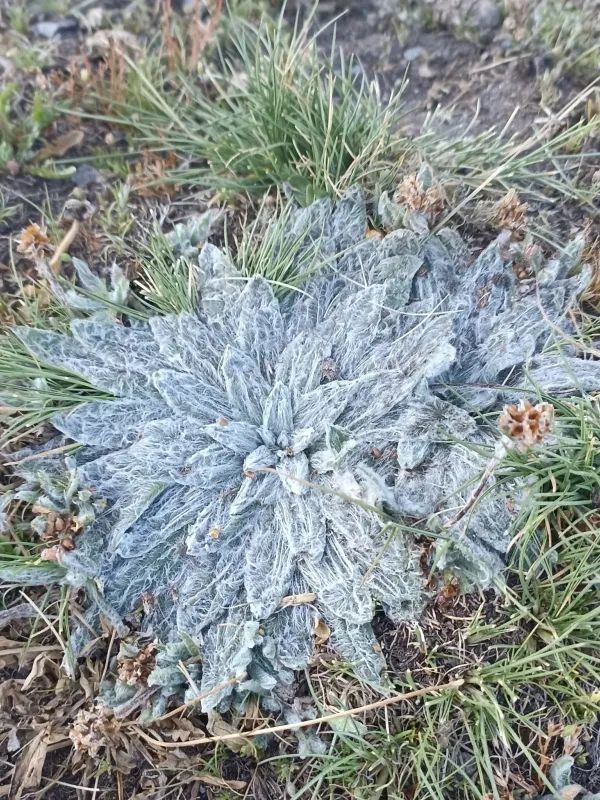
This plant is characterized by its distinct silvery-white hairs that cover the leaves. This botanical feature acts as a protective layer, helping the plant retain moisture and shield itself from high levels of solar radiation in its native habitat.
In terms of cultivation, the species requires well-drained, porous soils. It is highly adapted to nutrient-poor substrates, which means intensive fertilization is generally not recommended as it may weaken the plant's natural hardiness.
Climate requirements include plenty of sunlight and cool temperatures. In agricultural settings, it is essential to mimic its natural environment by providing good airflow and preventing heat stress during summer months.
The primary use for this species lies in botanical research and potentially in the pharmaceutical industry, as its specific chemical profile due to its high-altitude adaptation is of interest for secondary metabolite extraction.
Main diseases and pests
The main threats to the healthy growth of snow plantain are related to moisture management, as the plant is susceptible to fungal infections.
Root rot, caused by various soil-borne pathogens, is a significant risk if the cultivation medium does not offer sufficient drainage.
Insects like aphids or specialized caterpillars may occasionally attack the foliage, necessitating regular monitoring of plant health.
Humidity control is paramount; excess humidity can lead to fungal spot diseases on the leaves, which can spread quickly in confined areas.
Integrated pest management strategies focusing on clean cultivation conditions and strict watering regimes are the most effective ways to prevent losses.