
Soft snapdragon
Antirrhinum molle L.
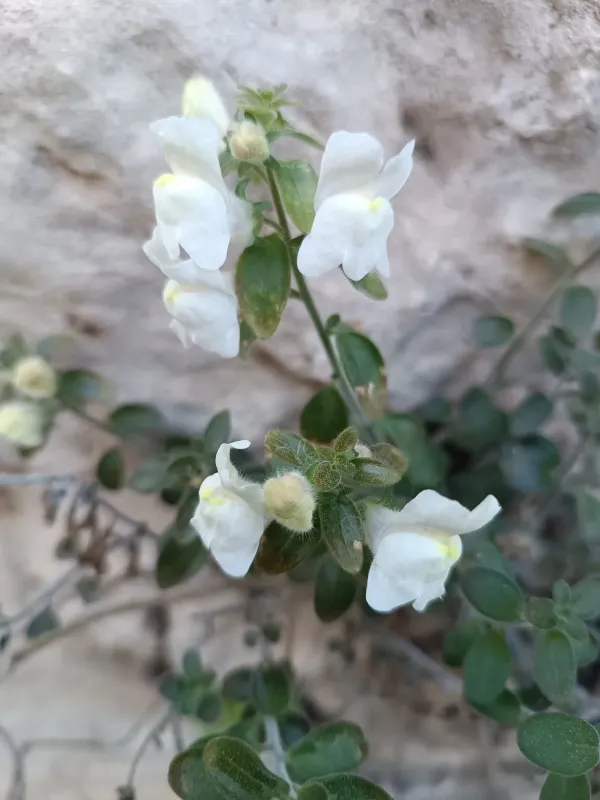
Description
Sowing dates
Sowing Antirrhinum molle seeds is typically performed in late winter or early spring using a controlled environment. The seeds require a period of stratification to improve germination rates, mimicking natural temperature fluctuations to break seed dormancy.
A well-draining, sterile, and light soil mix should be used for seed trays. Seeds must be sown on the surface because they require light exposure to initiate the germination process successfully. Covering them with a thin layer of sand is often beneficial.
Seedlings should be pricked out once the first or second set of true leaves develops. It is crucial to maintain high light intensity during the development stage to ensure the plants remain compact and do not become leggy, which is common in this genus.
Transplanting into the garden should only take place after the last spring frost date. Before planting, it is recommended to harden off the seedlings over a period of seven to ten days to adjust them to the outdoor environment and prevent transplant shock.
Spacing is essential for the health of the plants. Allowing at least 20-25 centimeters between specimens promotes good airflow, which is critical to preventing fungal issues that frequently affect this species in overly dense plantings.
Growing requirements
Antirrhinum molle, commonly known as the soft snapdragon, belongs to the Plantaginaceae family. It is a perennial herbaceous plant native to the rocky cliffs and crevices of the Iberian Peninsula, where it thrives in challenging conditions.
The primary requirement for this species is excellent drainage. Whether planted in a rock garden or a container, the substrate must be poor, gritty, and alkaline or neutral to mimic its natural limestone habitat. Waterlogging is detrimental to the plant's survival.
Full sun is essential for the healthy growth and abundant flowering of this snapdragon. While it can tolerate slight shade, excessive moisture retention in shaded areas increases the risk of plant loss during the summer months.
Maintenance involves minimal fertilization. As it is adapted to nutrient-poor soils, heavy feeding encourages soft, succulent growth that is more susceptible to pests and diseases. A balanced, slow-release fertilizer used sparingly is generally sufficient.
Watering should be deep but infrequent. Allowing the soil to dry out significantly between watering sessions helps keep the root system healthy. Overhead watering should be avoided to prevent moisture accumulation on the foliage, which can cause rot.
Main diseases and pests
Fungal diseases are the most significant threat to Antirrhinum molle. Rust, characterized by powdery, rust-colored spots on the undersides of leaves, can devastate a collection if not managed quickly with appropriate systemic fungicides.
Powdery mildew often appears during warm, humid weather or in areas with stagnant air. To prevent this, ensure that your planting location receives good ventilation and avoid wetting the leaves when watering the plants.
Aphids are the most common insect pest. They tend to gather on the tender new shoots and flower buds, weakening the plant. Regular monitoring of the foliage and early intervention with insecticidal soaps can effectively control population explosions.
Root rot is often a result of over-watering or poorly drained soil. If a plant starts wilting despite sufficient soil moisture, check the root system for signs of decay, as this indicates a failure of the drainage conditions or the presence of pathogens.
Good garden hygiene, such as removing fallen leaves and preventing weeds from encroaching on the plants, reduces the habitat for pathogens and pests, ensuring that the soft snapdragon remains vibrant throughout the growing season.