
Snapdragon
Antirrhinum majus x Antirrhinum molle x Antirrhinum hispanicum
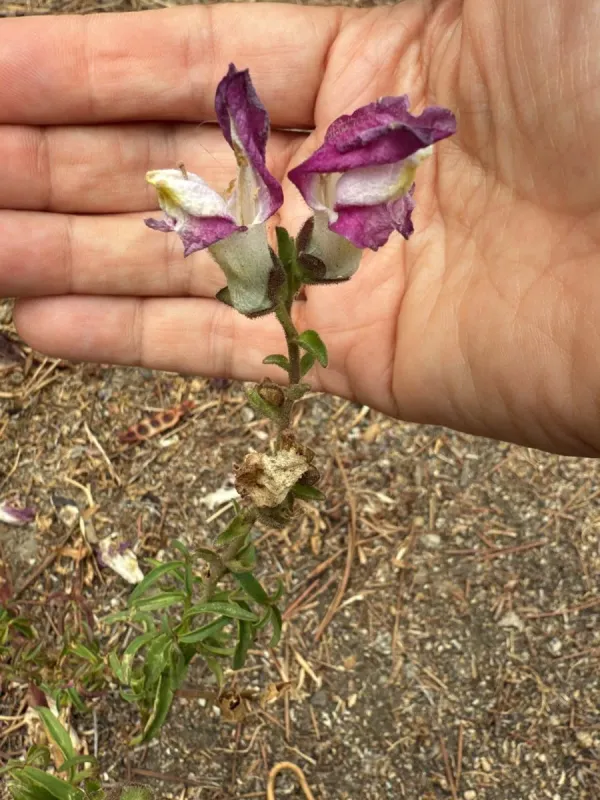
Description
Sowing dates
Snapdragon (Antirrhinum majus) is a popular flowering plant usually grown as an annual. For the best results, seeds are started indoors 8 to 10 weeks before the last expected frost date in the spring.
The seeds are extremely fine and require light to germinate, so they should be surface-sown on a moist, well-draining seed-starting medium. Covering the containers with clear plastic helps to maintain the necessary humidity levels.
Germination typically occurs within 10 to 14 days when temperatures are maintained at 20–22 degrees Celsius. Once the first true leaves emerge, it is critical to provide bright light and lower the temperature slightly.
Seedlings should be transplanted into individual containers once they are large enough to handle. This stage is crucial for building a strong root system before the final planting in the outdoor garden bed.
Hardening off is a necessary step before moving plants outside. Gradually introducing them to outdoor conditions over a week helps prevent transplant shock and ensures better survival rates once planted in the ground.
Growing requirements
Snapdragons thrive in full sun to partial shade, although full sun is generally preferred for optimal flower production. They are members of the Plantaginaceae family and perform best in well-draining, moderately fertile soil.
Soil pH should be near-neutral or slightly alkaline for the best nutrient availability. Adding organic matter, such as well-rotted compost, before planting helps to improve soil structure and water retention.
Watering requirements are moderate; the soil should be kept consistently moist but never waterlogged. Deep, infrequent watering is generally better than light, daily sprinklings to encourage deeper root growth.
Regular fertilization with a balanced, water-soluble fertilizer throughout the blooming season will promote continuous flowering. Over-fertilizing with nitrogen should be avoided to prevent excess foliage at the expense of blooms.
Deadheading faded blooms is an essential maintenance task. By removing spent flowers, you prevent the plant from putting energy into seed production and encourage it to send out new, productive shoots.
Main diseases and pests
Rust, caused by the fungus Puccinia antirrhini, is a major concern for snapdragons. It appears as brown pustules on the underside of leaves and can spread rapidly under high humidity conditions.
Root rot and crown rot are common problems caused by poor drainage or overwatering. These diseases can cause sudden wilting and are often difficult to treat, making prevention through soil management essential.
Aphids are frequent pests that congregate on the tips of new growth. They weaken the plant by sucking sap and can transmit viral diseases, requiring prompt treatment with insecticidal soaps or neem oil.
Spider mites thrive in hot, dry weather and can cause stippling and yellowing of the leaves. Maintaining proper humidity and using strong water sprays can help manage mild infestations effectively.
Powdery mildew may appear as a white, dusty film on the foliage during periods of high humidity and poor air circulation. Proper spacing between plants is the best defense against this common garden fungus.