
Snapdragon
Antirrhinum majus x Antirrhinum hispanicum
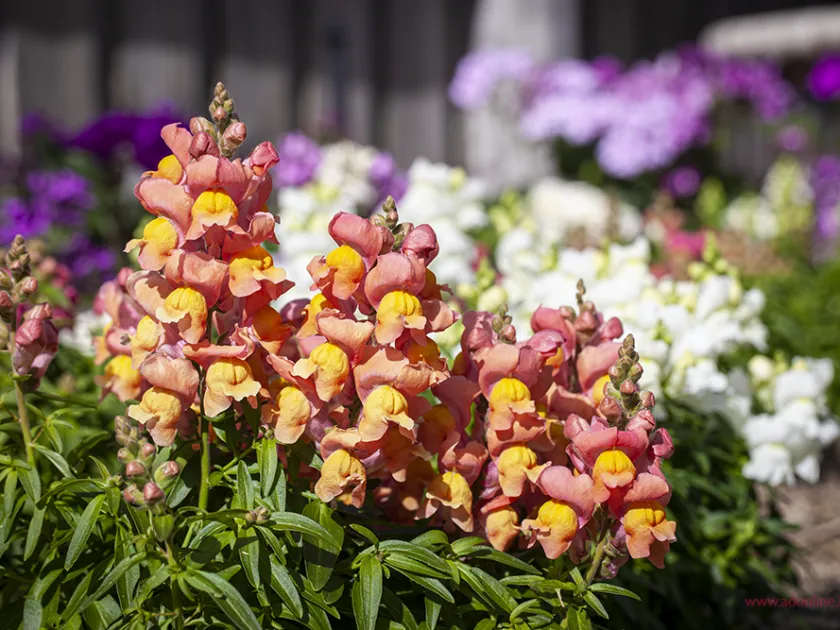
Description
Sowing dates
Sowing snapdragon seeds for transplants is typically performed in late winter or early spring. This allows the plants to reach sufficient maturity before the onset of the primary growing season in temperate climates.
Direct sowing into the soil can occur once the risk of severe frost has passed and soil temperatures have reached at least 15 degrees Celsius. However, greenhouse production remains the standard for commercial cut flower operations.
Because the seeds are extremely small, they should be surface-sown on a fine, moist potting medium. They require light to germinate, so they should not be buried deeply; covering the containers with a clear film helps maintain high humidity.
Transplanting seedlings into individual cells or pots after the development of the first true leaves is essential. This practice encourages a more robust root system and helps prevent the leggy growth often observed in overcrowded trays.
Maintaining proper spacing is crucial for airflow and disease prevention. Depending on the variety, commercial growers typically space plants 20 to 30 centimeters apart to maximize yield per square meter.
Growing requirements
Snapdragons thrive in full sun, as light is a limiting factor for their development. Shade-grown plants often produce weak stems and sparse blooms, which significantly lowers their market value for professional florists.
The ideal soil is a well-drained, fertile loam with a neutral pH. While they are adaptable, they absolutely cannot tolerate waterlogged soils, which frequently lead to root rot and other moisture-related pathogens.
Irrigation should be managed carefully, ideally using drip systems that deliver water directly to the root zone. Avoiding overhead watering is a key strategy to keep foliage dry and prevent fungal infections.
Fertilization with a balanced NPK fertilizer, with slightly higher levels of potassium and phosphorus, supports strong stems and vibrant floral development. Excessive nitrogen should be avoided as it leads to excessive foliage at the expense of flowers.
These plants are cool-season annuals that tolerate moderate cold but are sensitive to extreme heat. In regions with very hot summers, production should be scheduled for the cooler months to ensure optimal floral quality.
Main diseases and pests
Rust, caused by the pathogen Puccinia antirrhini, is the most common disease. It appears as brown pustules on leaves and stems and can quickly destroy the plant's health if not managed with timely fungicide application.
Root rots, including Pythium and Phytophthora, are prevalent in poorly drained soils. These pathogens can cause sudden wilting and death, making proper soil preparation and drainage management the primary defense against them.
Aphids and spider mites are the primary pests affecting snapdragons in commercial settings. These insects cluster on tender new growth and developing buds, causing distortion and attracting secondary viral or fungal infections.
Downy mildew and botrytis blight can occur in conditions of high humidity and limited airflow. Proactive monitoring and the removal of infected tissue are necessary to prevent the rapid spread of these diseases within the field.
- Maintain proper plant spacing for ventilation.
- Implement strict weed control around the planting area.
- Monitor for pests weekly.
- Rotate crops to prevent soil-borne disease buildup.
Harvesting
For commercial cut flowers, harvesting should take place when the bottom third of the florets are open and the remainder of the buds are still tight and showing color. This stage ensures the longest vase life for the consumer.
Stems must be cut with sharp, clean tools and immediately placed into clean water. Professional handling often involves the use of hydration solutions to ensure the stems remain upright and vibrant during transport.
If the goal is to encourage a second flush of flowers, the main spike should be harvested or deadheaded promptly. This diverts energy from seed pod production back into the development of lateral shoots.
Seed production requires leaving the pods on the plant until they are brown and dry. The pods must be harvested before they split naturally to ensure all seeds are collected efficiently for future seasons.
Harvested seeds should be dried in a cool, dark place and stored in airtight containers. When kept in optimal conditions, snapdragon seeds can maintain high germination rates for up to four years.